Fixture Installation Guide: Faucets, Lights, and More Made Easy
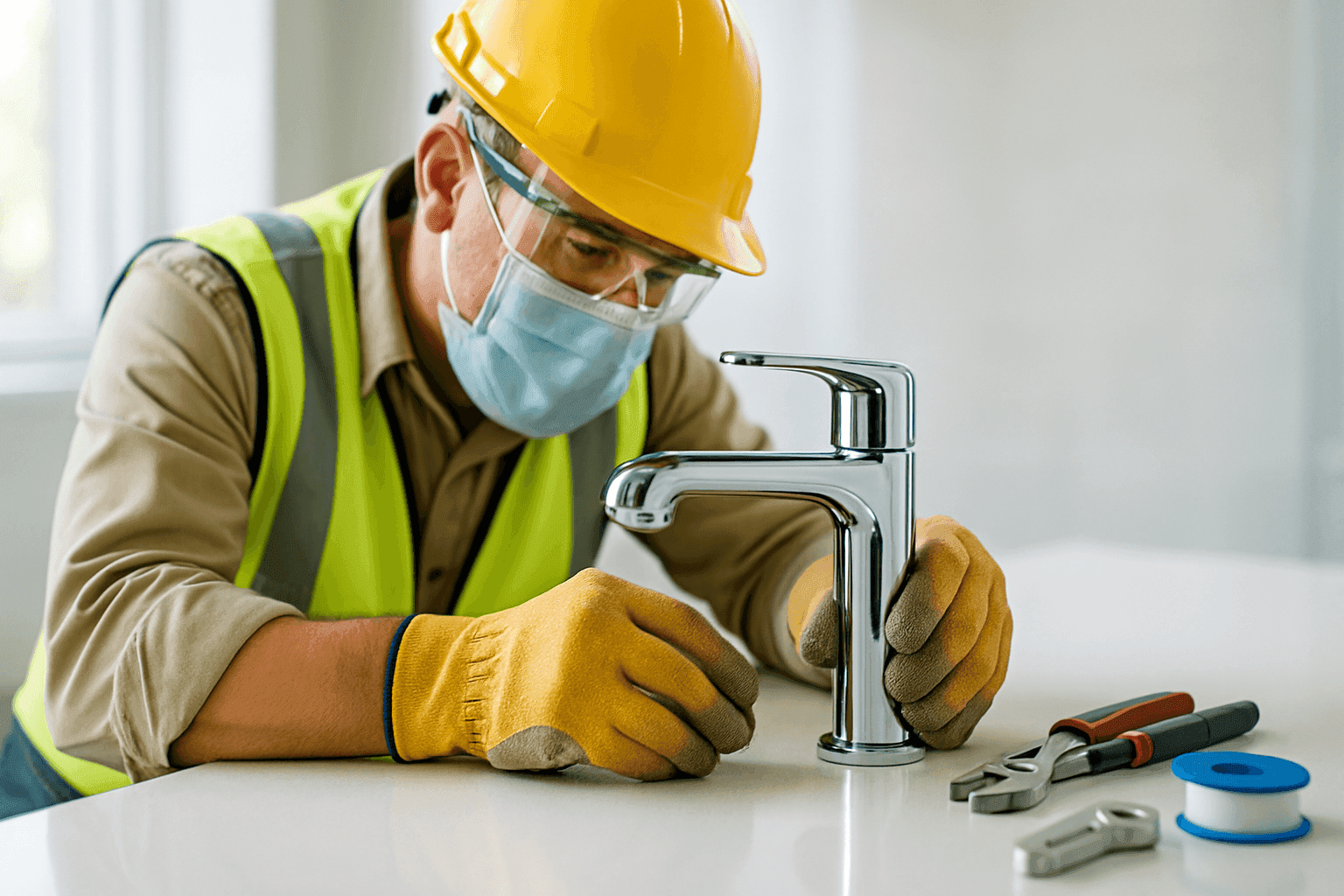
Home fixtures don’t last forever. Faucets start to drip. Light fixtures flicker and fizzle. Cabinet handles get loose. It’s all part of owning a home—and it can turn an ordinary weekend into a test of your patience and toolkit.
At The CSRA Handyman, we’ve seen it all. From tangled wires behind a bathroom light, to that sneaky leak under the kitchen sink. If you’re ready to try a fixture install yourself, or just want to know what’s involved before calling a handyman near you, this guide is for you.
Why Fixture Installation Trips Up So Many Homeowners
Let’s be honest. Swapping out a faucet or light sounds simple—until you’re staring at a mess of pipes or wires. Rusted shut-off valves, mystery screws, or old caulk that won’t budge can stall even the most determined DIYer.
Here’s where most folks hit a wall:
- Not shutting off water or power before starting
- Using the wrong tools (or none at all)
- Mixing up wires or cross-threading fittings
- Over-tightening and cracking parts
- Underestimating what’s hiding behind old hardware
It’s a bit like opening a box of tangled holiday lights. Looks straightforward… until it isn’t.
Quick Safety Checklist Before You Start 🧰
Safety isn’t optional. Take five minutes to review these steps—your future self will thank you.
- Turn off water supply for plumbing fixtures (faucets, toilets, etc.)
- Switch off power at the breaker panel for any electrical work—not just at the light switch
- Use a voltage tester to confirm wires are dead before touching
- Wear gloves and safety glasses to guard against sharp edges and splashes
- Keep towels or a bucket handy under sinks—expect some drips even with the water off
- Have a flashlight nearby for those dark, cramped spaces
Refer to the National Electrical Code (NFPA 70) and your local plumbing code for safe practices.
DIY or Call a Handyman: Where’s the Line?
There’s a sweet spot for DIY projects. Swapping a showerhead? Most homeowners can handle it. Installing a new ceiling fan, or updating a bathroom faucet? Doable, with patience and the right tools.
But when should you stop and call a handyman?
- Electrical work involving new switches, wiring, or fixtures in damp areas
- Complicated plumbing (like corroded pipes or shut-off valves that won’t budge)
- Heavy fixtures (chandeliers, large mirrors, big TVs)
- Anything involving code compliance—especially if you plan to sell the home
When in doubt, safety first. If you’re unsure, get help. The CSRA Handyman is always ready for those “uh-oh” moments.
The Tools You’ll Need
Most fixture installs need a basic toolkit, plus a few job-specific items:
- Adjustable wrench
- Screwdrivers (flat and Phillips)
- Pliers (channel-lock, needle-nose)
- Pipe wrench (for stubborn water lines)
- Utility knife or razor blade (for caulk removal)
- Wire stripper/cutter (for light fixtures)
- Teflon tape (for threaded plumbing connections)
- Level (for even installations)
- Tape measure
- Flashlight or headlamp
Pro tip: Lay out all parts and tools before starting. It’s like checking your ingredients before baking—you’ll save yourself a mid-project dash to the hardware store.
Prepping the Area: Clean, Clear, and Ready
Before you even touch a wrench or screwdriver, set yourself up for success:
- Clear the area of clutter, cleaning supplies, and fragile items.
- Lay down a towel or drop cloth to catch debris and protect surfaces.
- Check access—sometimes you’ll need to move a vanity or loosen a countertop.
- Read the fixture instructions fully. Manufacturers have quirks—don’t wing it.
- Snap a photo of existing wiring or plumbing before disassembly. It’s your “treasure map” for reassembly.
A little prep makes a huge difference.
Safe Removal of Old Fixtures
This is where things can get messy. Take it slow:
For Faucets and Plumbing Fixtures
- Shut off the water and open the faucet to relieve pressure.
- Disconnect supply lines using your wrench. Catch drips with a towel or bucket.
- Remove securing nuts or mounting hardware underneath.
- Gently wiggle the old faucet free—use a utility knife to cut old caulk if needed.
- Clean the area thoroughly. Old gunk makes new installs harder.
For Light Fixtures
- Double-check the power is off at the breaker.
- Remove light bulbs and shades first.
- Unscrew the mounting hardware, then gently pull the fixture down.
- Take note (or a photo) of wire connections: black (hot), white (neutral), green or bare (ground).
- Disconnect wires by unscrewing wire nuts.
Patience pays off. Rushing here can lead to cracked tiles, bent wires, or—worse—a leak or shock.
Step-by-Step: Installing New Fixtures
Faucet Installation
- Set the new faucet in place, using the included gasket or plumber’s putty for a good seal.
- Secure the mounting nuts underneath—hand-tighten, then snug with a wrench.
- Reconnect supply lines. Don’t overtighten; use Teflon tape on threads.
- Turn water back on slowly, watching for leaks.
- Check operation and look for drips. Tighten gently if needed.
Light Fixture Installation
- Mount the bracket to the electrical box.
- Connect wires: black to black, white to white, ground to ground. Secure with wire nuts.
- Tuck wires carefully into the box.
- Attach the fixture to the bracket, then add bulbs and shades.
- Restore power and test.
Hardware and Other Fixtures
- Cabinet pulls/knobs: Use a template for consistent placement. Drill pilot holes to avoid splitting wood.
- Towel bars or shelves: Use a level and wall anchors for secure mounting.
- TV wall mounts: Always screw into wall studs for safety.
Troubleshooting: Leaks, Wobbles, and Wiring Woes 🛠️
Even pros run into hiccups. Here are common snags—and how to troubleshoot:
- Dripping faucet after install: Check supply line connections. Use Teflon tape, and don’t overtighten.
- Light flickers or won’t turn on: Confirm power is back on at the breaker. Double-check wire connections.
- Fixture is loose: Tighten mounting hardware, use anchors if needed.
- Cross-threaded fittings: Back off, realign, and start again gently.
- Breaker trips after new install: This could mean a wiring fault. Stop and call a pro.
If you smell burning, see sparks, or water is leaking behind walls—stop. That’s pro territory.
What a Handyman Does On Arrival
When you call The CSRA Handyman, here’s what to expect:
- Assessment: We check for hidden damage, code issues, or surprises.
- Safe shut-off: Water and power are confirmed off.
- Tool check: We bring specialty tools and parts you may not have on hand.
- Professional removal: Old fixtures are removed cleanly, without damaging surrounding surfaces.
- Precise installation: Fixtures are aligned, leveled, and tested for leaks or shorts.
- Cleanup: We leave the area tidy—no random screws or debris left behind.
Our training means we spot the little things—like a worn gasket or outdated wiring—that could cause headaches later.
Prevention & Maintenance: Keeping Fixtures Solid
Well-installed fixtures last longer, but a little maintenance goes a long way:
- Check under sinks for moisture every month. Early leaks are easy to fix.
- Tighten hardware (like handles and knobs) every season.
- Dust and wipe light fixtures to keep them bright and working safely.
- Replace caulk or sealant around sinks and tubs as soon as it starts to crack.
- Flip breakers occasionally—if one feels loose, it might need replacement.
Stay ahead of trouble. It’s easier (and cheaper) than replacing a water-damaged cabinet or rewiring a burnt-out fixture.
Costs & Time Factors: What to Expect
No two jobs are alike, but here’s what typically goes into the mix:
- Fixture complexity: Simple faucet swap? Maybe 30–60 minutes. Big chandelier? Could take a few hours.
- Condition of existing setup: Rusty pipes, old wiring, or tight spaces add time.
- Access: Hard-to-reach areas (behind appliances, in attics) take longer.
- Specialty fixtures: Smart devices or custom hardware may require extra steps.
Budget for the cost of the fixture itself, plus tools or any new parts. Professional install fees vary by region and complexity, but remember—a botched DIY can lead to bigger bills down the road.
When It’s an Emergency 🚨
Some fixture problems can’t wait. Call for immediate help if you notice:
- Water leaking rapidly from a faucet, pipe, or under a sink
- Burning smell or sparking when installing or turning on a fixture
- Flooded floors or ceilings after removing a fixture
- No power to a room after a new install
Turn off water or power at the main shutoff, then call a handyman near you. Fast action prevents further damage.
FAQ: Common Fixture Installation Questions
Q: Can I install a faucet or light myself if I’ve never done it before?
A: Many homeowners tackle these projects. If you follow safety steps and instructions, simple swaps are possible. But if you’re unsure, or if problems pop up, it’s wise to call a handyman.
Q: What’s the biggest mistake DIYers make?
A: Forgetting to shut off water or power. Always double-check before starting. Cross-threading connections and over-tightening are close seconds.
Q: Are permits needed for fixture installation?
A: Swapping out like-for-like (same type, same location) usually doesn’t require a permit. But new wiring, plumbing changes, or major installs might. Check your local code or ask a pro.
Q: How do I know if my wiring or pipes are too old?
A: Look for visible corrosion, frayed wires, or odd smells. If your home is older than 30 years, consider having a professional take a look.
Local & Seasonal Considerations
In our region, humidity and temperature swings can affect fixtures. Caulk and seals break down faster, and metal parts may corrode more quickly. Keep an eye on:
- Outdoor fixtures: Regularly check for rust or weather damage.
- Seasonal maintenance: Before winter, make sure outdoor faucets and lights are secure and weatherproofed.
- Gutter cleaning: Clogged gutters can lead to leaks around fixtures and windows.
Plan ahead during spring and fall so your home stays safe and comfortable year-round.
Ready to tackle that faucet, light, or hardware project? Or did things get sticky mid-way? Call The CSRA Handyman now — or reach us anytime at 844-460-8402 .