Pressure Washing 101: Restore Your Home’s Curb Appeal Safely
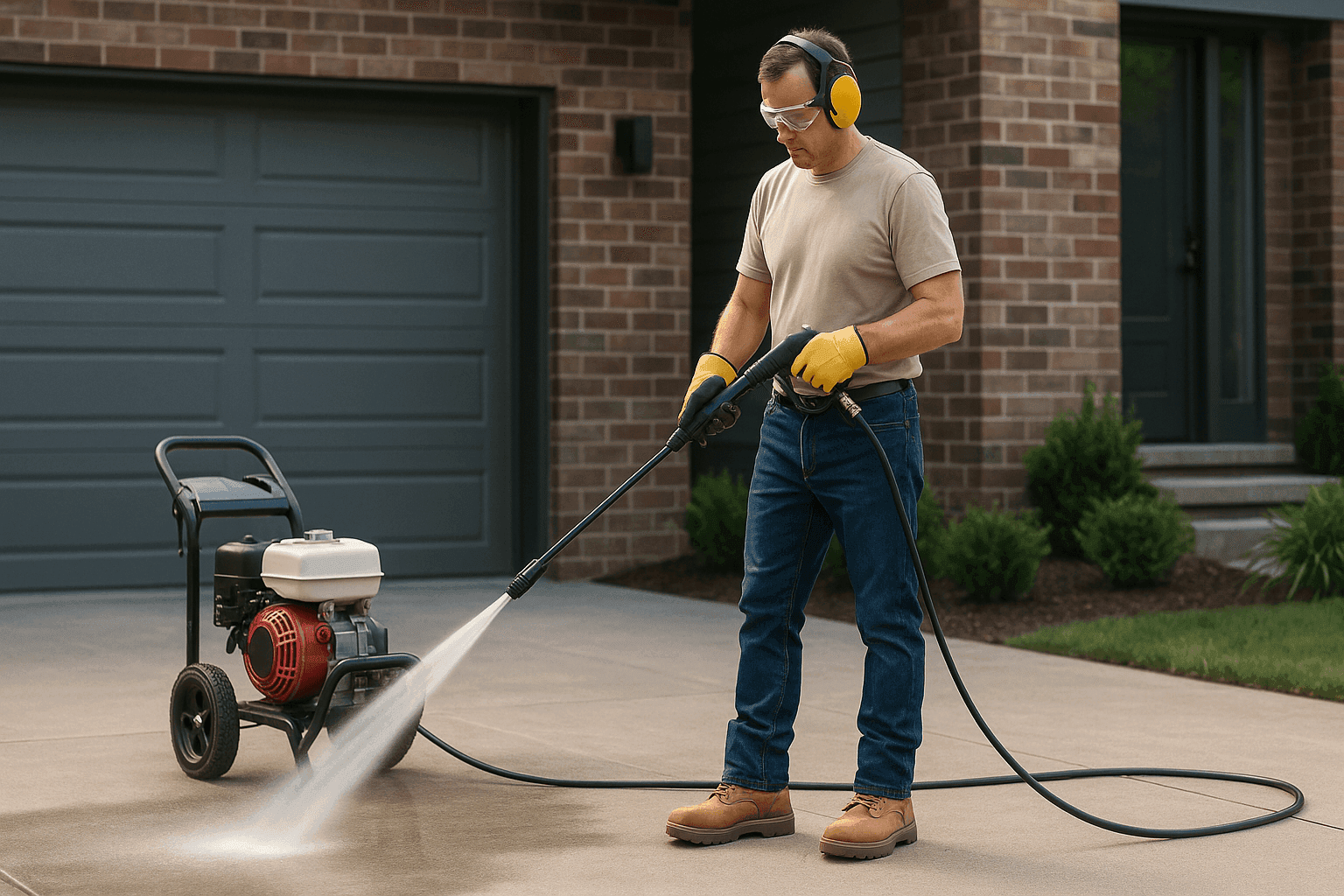
Is your driveway looking tired? Siding covered in a film of last year’s pollen? You’re not alone. Homeowners across the region tackle the same dilemma each season. A layer of grime can sneak up, dulling your curb appeal and making even the best-kept house look a little neglected.
At The CSRA Handyman, we know the pride and relief that comes with a freshly cleaned home exterior. Pressure washing can be a game-changer—but if not handled with care, it can also lead to costly repairs. Let's break down what you need to know to do it right.
Why Pressure Washing Matters
Pressure washing is like a reset button for your home’s exterior. It blasts away mold, dirt, algae, and stains that regular garden hoses can't touch. But not every surface can handle that power. And not every situation calls for a DIY approach.
Ever try to clean a muddy truck with a toothbrush? That’s what tackling years of grime with the wrong tools feels like. Pressure washing, when done right, is efficient, thorough, and satisfying.
Where Pressure Washing Works Best
Some surfaces love a good pressure wash. Others? Not so much. Here’s where it shines:
- Driveways and Sidewalks: Concrete and brick can take the pressure.
- Decks and Patios: Wood and composite materials, with the right nozzle and care.
- Home Siding: Vinyl, aluminum, and some painted surfaces.
- Fences: Wood, vinyl, and metal, as long as they’re intact.
- Garage Doors: Metal and sturdy panels.
But steer clear of:
- Old mortar, crumbling brick, or painted surfaces already peeling.
- Windows, screens, and anything delicate or loosely attached.
- Electrical panels, outlets, and light fixtures.
Quick Safety Checklist 🛑
Pressure washers are powerful. They can gouge wood, shatter glass, or even injure hands and feet if used carelessly. Before you start, check these safety steps:
- Wear protection: Eye shields, gloves, closed-toe shoes.
- Read the manual: Every washer is a little different.
- Clear the area: Remove furniture, toys, and potted plants.
- Check for hazards: Electrical wires, loose siding, and pets.
- Test your pressure: Start low, move up only as needed.
- Never spray people, pets, or windows: The force can cause injury or damage.
The Consumer Product Safety Commission recommends always following manufacturer guidelines and using GFCI (ground-fault circuit interrupter) outlets for any outdoor electrical equipment.
DIY vs. Call a Pro
Wondering if you can tackle this yourself? Here’s a quick comparison:
DIY Pressure Washing:
- Good for small, flat areas like driveways or patios.
- Requires equipment rental or purchase, which can add up.
- Risk of damaging surfaces if you use too much pressure or the wrong cleaner.
- You’re responsible for safety, prep, and cleanup.
Hiring a Handyman:
- Access to professional-grade washers and eco-friendly detergents.
- Skilled in adjusting pressure for different surfaces.
- Handles tricky spots—like second-story siding or delicate wood.
- Saves time, hassle, and risk of accidental damage.
If your home’s exterior is high, hard to reach, or you’re not sure what material you’re working with, calling a professional handyman for “pressure washing near you” is the smart move.
What Pros Do On Arrival
Ever watch a pro work and wonder what’s going on behind the scenes? Here’s what to expect when The CSRA Handyman arrives:
- Assessment: Walkthrough to spot stains, fragile materials, and potential hazards.
- Prep Work: Move outdoor furniture, cover landscaping, tape off outlets.
- Adjust Equipment: Select the right nozzle and pressure for each surface.
- Pre-Treat Stains: Use safe detergents for algae, oil, or rust.
- Controlled Cleaning: Work from top down, avoiding water intrusion under siding.
- Final Walkthrough: Check for missed spots and make sure nothing’s damaged.
It’s about more than blasting away dirt. It’s knowing where power helps—and where it hurts.
Prepping Your Space for Pressure Washing
Before you or your handyman gets started, a little prep goes a long way:
- Move cars, bikes, and anything you don’t want sprayed.
- Sweep loose debris to prevent it from becoming a projectile.
- Cover delicate plants with plastic sheeting or tarps.
- Close all windows and doors tightly.
- If you’re DIY-ing, test your washer on a small, hidden patch first.
Think of it like setting the stage before a big show—the cleaner and safer the space, the better the results.
Mistakes to Avoid
Pressure washing mistakes can be costly. Here’s what often goes wrong (and how to steer clear):
- Too Much Power: Blasting siding, wood, or mortar can cause permanent scars.
- Bad Angles: Spraying upward can drive water behind siding—hello, mold.
- Wrong Cleaners: Bleach and harsh chemicals might kill plants or strip paint.
- Ignoring Safety: Bare feet and pressure washers don’t mix.
- Skipping Prep: Uncovered outlets or fragile plants can lead to accidents.
If you’re unsure, step back and let a handyman handle it. Better safe than sorry.
Pressure Washing & Seasonal Maintenance
Pressure washing isn’t just for spring. Here’s when it fits best into your home maintenance calendar:
- After pollen season: Wash away yellow film on siding and decks.
- Before painting or staining: Clean surfaces help finishes last.
- After storms: Remove mud, algae, or debris buildup.
- Before holidays or gatherings: Show off your home’s best side.
- Fall cleanup: Clear moss and leaves before winter sets in.
Regular maintenance keeps grime from getting out of hand, preserves surfaces, and can even boost your property value.
Signs It’s Time for a Deep Clean
Not sure if it’s time to schedule a wash? Watch for:
- Green streaks or patches (algae or moss)
- Black stains (mold, mildew, or pollution buildup)
- Slippery spots on decks or walkways
- Dingy siding, even after rain
- Faded “welcome” at your front step
If you see these, a deep clean is in order.
Costs & Time Factors
Pressure washing costs and time depend on:
- Area size: Larger surfaces take longer and cost more.
- Material type: Delicate materials need extra care and time.
- Stain severity: Heavy buildup or oil stains may need treatments.
- Accessibility: Multi-story homes or tight spaces add complexity.
- Equipment: Pro-grade washers clean faster with less water.
A handyman may take 2–4 hours for a typical home, while DIYers often spend a full day. Equipment rental and detergent add to DIY expenses. Professional services bundle in skill, setup, and cleanup.
When It’s an Emergency
Pressure washing isn’t always planned. Sometimes you need it fast:
- After a storm leaves mud or algae that makes walkways slippery.
- If a major spill (paint, oil, food) threatens to stain your driveway.
- Before urgent home showings or events.
If safety or first impressions are on the line, calling for “pressure washing near you” can help you bounce back quickly.
FAQ
How often should I pressure wash my house?
Most homes benefit from a thorough wash every one to two years. High-pollen areas or shaded, damp spots may need more frequent cleaning.
Can pressure washing damage my home?
Yes—if too much pressure or the wrong nozzle is used. That’s why it’s smart to hire a handyman who knows what each surface can handle.
What’s the difference between pressure washing and power washing?
Both use high-pressure water. Power washing uses hot water, which can help with grease or oil stains but isn’t always needed for standard dirt and mold.
Is it safe for painted surfaces?
Generally, yes—if paint is in good condition and the right pressure is used. Peeling or old paint may come off, so test a small area first.
Local & Seasonal Considerations 🌦️
In our region, spring pollen and summer storms make pressure washing almost a rite of passage. Plan your wash for late spring or early fall, when temperatures are mild and humidity is lower. Avoid freezing temperatures—water left behind can cause ice or damage.
Remember, always check local water restrictions or neighborhood guidelines before washing. According to the U.S. Environmental Protection Agency, only biodegradable detergents should be used outdoors to protect local waterways.
Restore Your Home’s Shine—Safely
Ready to see your home at its best? Whether you want to tackle it yourself or let a handyman handle the mess, pressure washing is a smart way to boost curb appeal and protect your investment.
Call The CSRA Handyman now — or reach us anytime at 844-460-8402 .