DIY or Hire Out? Deciding Which Home Repairs Need a Handyman
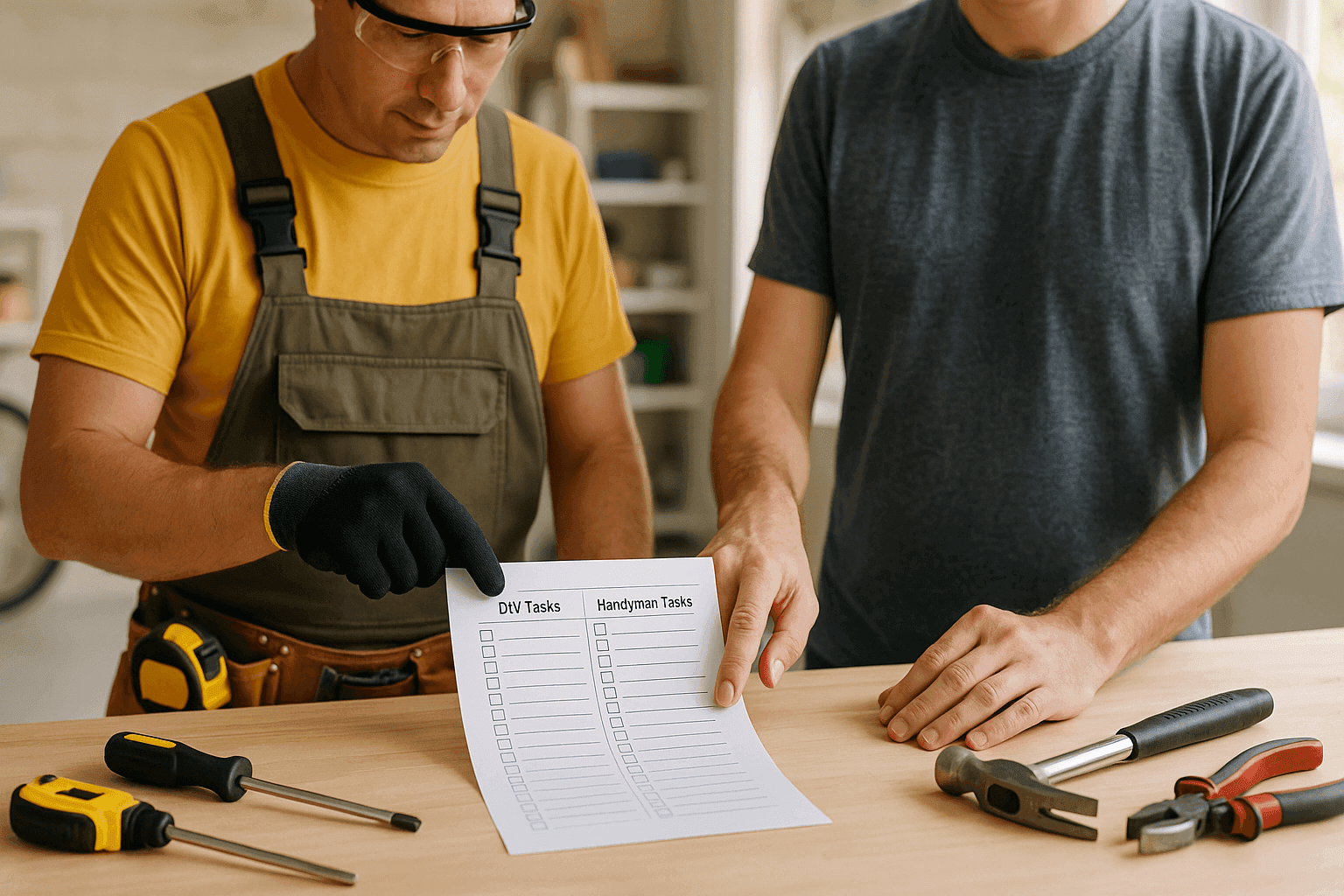
It hits every homeowner sooner or later: the leaky faucet, the flickering light, the stubborn door. Your first instinct? Maybe you grab a toolbox. Or maybe you wonder if it’s time to call in a pro.
At The CSRA Handyman, we know that knowing when to roll up your sleeves—and when to pick up the phone—can make all the difference. The right call can save you time, money, and hassle. The wrong one? Well, it could cost more than you bargained for.
Facing the Fix: Common Home Repair Scenarios
Let’s paint a picture. You notice peeling paint in the bathroom. The kitchen faucet won’t stop dripping. Your fence is leaning after that last storm. The list of “I’ll get to it” jobs keeps growing.
Sound familiar?
Homeowners juggle dozens of these tasks each year. Some are simple—like swapping out a shower curtain rod. Others, like electrical repairs or drywall patching, can spiral if you’re not prepared. The trick is knowing which is which.
Quick Safety Checklist: Before You Start 🛠️
Before you even think about starting a repair, ask yourself:
- Do I need to turn off power or water? Know where the shutoffs are.
- Do I have the right tools and safety gear?
- Am I following local building codes or manufacturer instructions? (Check resources like the National Electrical Code or local ordinances.)
- Can I safely reach the repair area (think ladders, crawlspaces)?
- Am I physically comfortable with the task (strength, dexterity, vision)?
- What’s the worst-case scenario if I make a mistake?
- Who can I call if something goes wrong?
If you hesitate at any point, it might be time to pause.
DIY or Call a Pro? The Decision Guide
Not all repairs are created equal. Here’s a quick breakdown:
DIY-Friendly Tasks
- Painting a wall or trim: A little prep, patience, and drop cloths go a long way.
- Minor caulking and sealing: Refreshing a bead of caulk around the tub or sink is usually safe.
- Furniture assembly: With clear instructions and some patience, you’ll be sitting pretty.
- Changing light bulbs or smoke detector batteries: Keep a sturdy step stool and you’re good to go.
- Hanging pictures, blinds, or curtain rods: Just measure twice and use the right anchors.
Handyman-Recommended Jobs
- Electrical repairs: Even “simple” switch swaps can go sideways. Shocking, literally.
- Plumbing repairs: One overtightened fitting can mean leaks behind walls.
- Drywall repair: Matching texture and finish is an art (and a science).
- Appliance installation: Water lines and wiring are best left to those with know-how.
- Weatherstripping and door or window repairs: Small mistakes lead to big drafts (and higher bills).
- Flooring repairs, tile work, or carpentry: Precision counts, and mistakes are expensive to fix.
Why the Line Matters
Every task has a tipping point. Think of it like baking a cake: the basics are doable, but the fancy stuff is best left to a pastry chef if you want it to look (and taste) right.
When DIY Goes Wrong: Real-World Scenarios
- Scenario 1: A homeowner tried to rewire a light fixture and tripped the circuit, leaving half the house dark. The fix? A licensed handyman had to trace and repair the wiring, costing more than the original job.
- Scenario 2: An enthusiastic YouTuber tiled their own bathroom floor. The result? Uneven tiles and water damage, which required a full tear-out and redo.
- Scenario 3: Someone patched drywall with the wrong materials. The repair stuck out like a sore thumb—and needed professional smoothing, sanding, and painting.
What a Handyman Does on Arrival
A skilled handyman doesn’t just fix what’s broken. Here’s what you can expect:
- A clear assessment of the issue—including what’s causing it.
- Honest feedback: Is it a quick fix, or a symptom of a bigger problem?
- Proper tools for the job—no improvising with butter knives or duct tape.
- Safe work practices (think lockout/tagout on electrical, proper water shutoffs).
- Cleanup and haul-away, so you’re not left with a mess.
Sometimes, the peace of mind is worth more than the repair itself.
Prevention & Maintenance: Fix Small, Avoid Big
An ounce of prevention is worth a pound of repair. Here are practical tips to keep things running smoothly:
- Regularly check for leaks under sinks, behind toilets, and around appliances.
- Clean gutters at least twice a year to prevent water damage.
- Replace weatherstripping before drafts get worse.
- Test smoke detectors monthly and change batteries twice a year (the U.S. Fire Administration recommends it).
- Pressure washing near you can keep decks, siding, and driveways looking fresh and free from mold or mildew.
Seasonal checklists can turn “surprise repairs” into manageable maintenance.
Costs & Time Factors: What to Expect
Let’s be honest—no one likes surprise bills or lost weekends.
DIY:
- You’ll spend less money on labor but more on tools and supplies.
- Expect to invest extra time learning, prepping, and (sometimes) redoing.
- The hidden cost? Mistakes can mean double the work (and expense) to fix.
Handyman:
- Higher upfront cost, but you pay for speed, expertise, and peace of mind.
- Most jobs finish in hours, not days.
- No tool shopping or cleanup on your end.
When you weigh your time, risk, and the value of a job done right, hiring out often makes sense for bigger or riskier repairs.
When It’s an Emergency
Not all repairs can wait. Here’s when to call for help—immediately:
- Active water leaks or burst pipes
- Electrical sparks or frequent breaker trips
- Gas smells or suspected leaks (leave the house and call authorities)
- Broken locks or doors that won’t close
- No heat in winter or AC in extreme heat
Safety comes first. Don’t hesitate—call for emergency handyman service if you’re unsure.
FAQ: DIY vs. Handyman
Q: How do I know if a repair is safe for DIY?
A: If it involves water, electricity, or structural parts of your home—and you’re not 100% confident—call a handyman.
Q: Are permits needed for small repairs?
A: Most minor fixes don’t, but check your local building department for bigger jobs. The National Association of Home Builders offers guidance on what typically requires a permit.
Q: Can a handyman fix everything?
A: While The CSRA Handyman covers a wide range of skills, some jobs (like major HVAC or roofing) may require a licensed specialist.
Q: What’s the most common DIY mistake?
A: Underestimating the tools, time, and skill needed. The right tools—and know-how—matter.
Local & Seasonal Considerations 🌦️
In the CSRA region, temperature swings and sudden storms can wreak havoc on homes. Spring and fall are perfect for pressure washing near you, gutter cleaning, and weatherstripping. Summer brings humidity—watch for mold or warped doors. Winter? Frozen pipes and drafty windows top the list.
Every season brings its own “to-do’s.” Staying ahead is the best way to keep small repairs from becoming big headaches.
Torn between DIY and calling a pro? The CSRA Handyman is here to help with everything from pressure washing to emergency repairs.
Call The CSRA Handyman now — or reach us anytime at 844-460-8402 .