Handyman Guide to Quick Fixes: Odd Jobs Every Homeowner Should Know
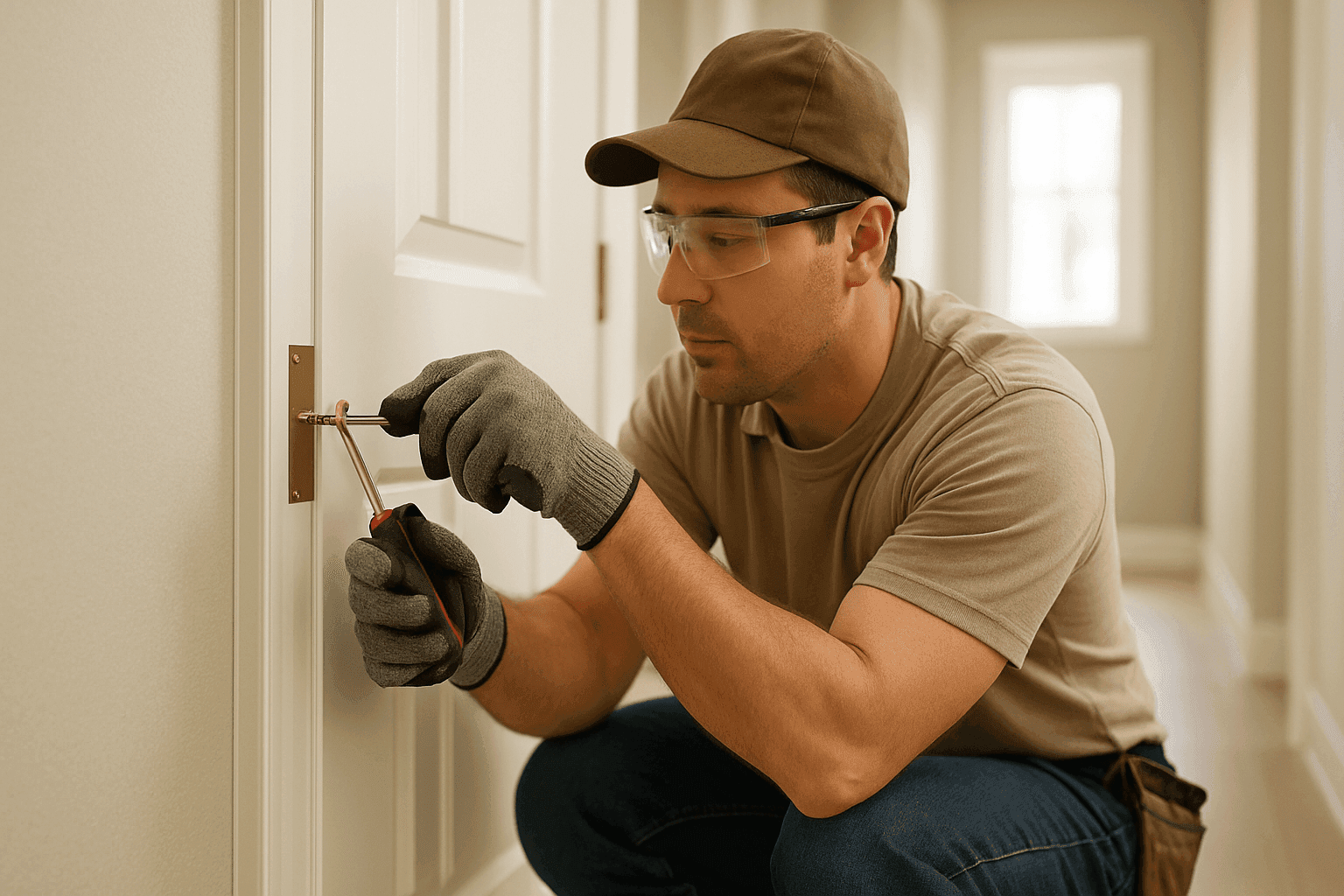
Every homeowner has that growing list. The do-it-later drawer. The loose cabinet hinge. The dripping faucet no one “hears.” You’re not alone. At The CSRA Handyman, we see these everyday headaches become bigger problems—unless they get a little attention early.
The good news? Many of these odd jobs are simple, quick, and within reach for most folks. With a few tools and the right know-how, you can keep your home running smoothly and even save some cash along the way.
Quick Fixes by Room: Where Small Repairs Matter Most 🏠
Let’s break it down. Each room carries its own quirks and quick-fix needs. Here’s what you’ll want to watch for—and how to handle them.
Kitchen Fixes
Common Odd Jobs:
- Tightening loose cabinet doors or drawer handles
- Re-sealing a leaky faucet
- Adjusting wobbly chairs or tables
- Replacing burnt-out light bulbs or flickering fixtures
Tools You’ll Need:
- Screwdrivers (flat and Phillips)
- Adjustable wrench
- Plumber’s tape
- Utility knife
Skill Level:
Beginner to intermediate. Most require just a little patience and elbow grease.
Pro Tip:
If you’re dealing with plumbing (like a leaky sink), always shut off the water at the valve first.
Bathroom Fixes
Common Odd Jobs:
- Patching small holes in drywall
- Re-caulking around the tub or sink
- Fixing a running toilet
- Replacing a shower head
Tools You’ll Need:
- Putty knife
- Caulk gun and silicone caulk
- Adjustable wrench
- Small pliers
Skill Level:
Beginner. Messy, but doable.
Pro Tip:
Let caulk dry fully before exposing it to water. Otherwise, you’ll just be doing it again next week.
Living Area Fixes
Common Odd Jobs:
- Tightening squeaky door hinges
- Replacing wall outlet covers
- Hanging pictures or shelves
- Patching nail holes
Tools You’ll Need:
- Hammer
- Level
- Stud finder
- Spackle and putty knife
Skill Level:
Beginner.
Pro Tip:
Find the stud before you hang anything heavy. Your wall will thank you.
Exterior & Outdoor Fixes
Common Odd Jobs:
- Pressure washing decks, siding, or driveways (Pressure Washing near you is a popular search!)
- Fixing loose fence boards
- Cleaning gutters and downspouts
- Sealing gaps around doors and windows (weatherstripping)
Tools You’ll Need:
- Pressure washer (rent or buy)
- Ladder
- Drill/driver
- Weatherstripping kit
Skill Level:
Intermediate. Some jobs, like pressure washing or cleaning gutters, require extra caution.
Pro Tip:
Always work with a partner when on a ladder. Safety first.
Safety First: Your Quick Checklist
Before you start fixing, pause. Safety isn’t just a buzzword—it’s the anchor that keeps DIY projects from turning into ER visits.
- Unplug appliances before working on them.
- Shut off water at the source before plumbing repairs.
- Wear gloves and safety glasses when handling chemicals or tools.
- Use a sturdy ladder—never stand on furniture.
- If you smell gas or see exposed wires, stop and call a professional immediately.
The National Safety Council offers more advice on safe home maintenance practices.
Should You DIY or Call a Handyman?
Sometimes a quick fix is just that—quick. Other times, it’s a tangled ball of wires or a plumbing leak that won’t quit. Here’s how to decide:
-
DIY:
- Tightening screws, handles, or hinges
- Filling nail holes or small cracks
- Replacing light bulbs, outlet covers, or basic hardware
- Re-caulking or weatherstripping
-
Call The CSRA Handyman:
- Electrical issues or anything with exposed wiring
- Persistent leaks or major water damage
- Large drywall holes or ceiling repairs
- Appliance installation (especially gas or complex electrical models)
- Pressure washing high surfaces or roofs
If you’re ever unsure, err on the side of caution. There’s no shame in calling in help—especially when safety’s on the line.
What to Expect When a Handyman Arrives
A professional brings more than just a toolbox. At The CSRA Handyman, we show up ready to assess, repair, and tidy up—often in less time than you’d expect.
Typical steps:
- Quick walk-through to identify all issues
- Review of safety concerns and potential risks
- Upfront explanation of the process and tools needed
- Efficient, thorough repairs
- Clean-up and advice for future maintenance
We follow state and local codes as well as recommendations from organizations like the International Association of Certified Home Inspectors (InterNACHI).
Keep Odd Jobs from Becoming Big Problems
Prevention is easier—and cheaper—than repairs. Here’s how to keep your home in shape:
- Set aside time each season for a maintenance walk-through
- Keep a basic toolkit handy (screwdriver, hammer, pliers, utility knife)
- Address squeaks, leaks, and cracks early
- Clean gutters twice a year—spring and fall
- Replace weatherstripping as soon as you feel a draft
Think of maintenance as brushing your teeth. A little effort now saves a lot of pain (and expense) later.
What About Cost and Time?
Most odd jobs are quick—15 to 60 minutes each. Materials are usually inexpensive. But if you wait, costs can balloon.
-
DIY:
- Patching holes: under $10, about 20 minutes
- Re-caulking: $5–$15, up to an hour including drying time
- Tightening hinges: free, five minutes
-
Professional help:
- Hourly rate plus materials. Complex jobs (like electrical) will take longer and cost more.
Remember, investing in a pro means peace of mind. And sometimes, it’s the difference between a neat patch and a costly headache.
When Is It an Emergency?
Some repairs can’t wait. If you see or experience any of the following, call for help—now:
- Water pouring from a burst pipe
- Electrical sparks or burning smells
- Gas leaks (call your utility company immediately, then a pro)
- Broken windows or doors that leave your home unsecured
Don’t gamble with your safety. Quick action matters.
FAQ: Odd Jobs and Quick Fixes
How do I know if a repair is too risky for DIY?
If it involves wiring, plumbing behind walls, or heavy lifting, it’s time to call a handyman.
Is pressure washing safe to do myself?
It can be, but always wear eye protection and start on a low setting. For high or tricky spots, hiring a pro for pressure washing near you may be safer.
Can I patch drywall without special tools?
Yes—a putty knife, spackle, and some sandpaper will do the trick for small holes.
Do I need a permit for minor repairs?
Most odd jobs don’t require permits, but for electrical or structural work, always check your local codes.
Local and Seasonal Considerations
Weather matters. In the CSRA region, humidity and sudden storms can turn tiny leaks or gaps into real problems fast. Spring and fall are great times for gutter cleaning, pressure washing, and weatherstripping.
Winter? That’s when drafts show up and pipes might freeze. Summer’s the season for keeping decks, fences, and outdoor fixtures in check.
Stay ahead by planning for the elements—not just reacting to them.
Every homeowner faces odd jobs. When you know which ones you can handle, and when to call for backup, you keep your home safe, tidy, and comfortable—without breaking the bank.
Call The CSRA Handyman now — or reach us anytime at 844-460-8402 .