Handyman Maintenance Checklist: Essential Tasks Every Homeowner Should Know
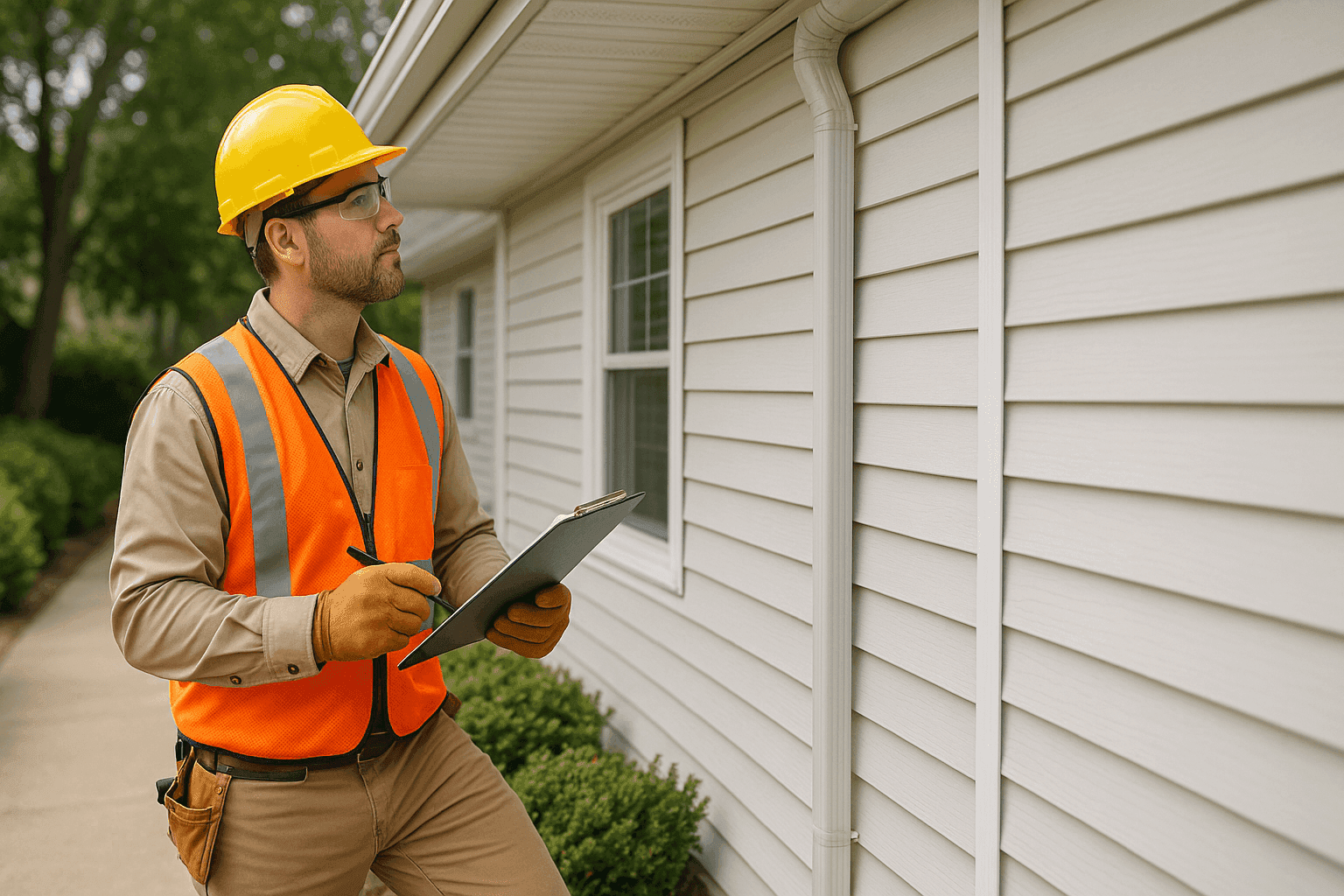
Every home tells a story. Sometimes, though, it whispers warnings—dripping taps, creaky doors, mysterious drafts. Life gets busy, and it’s easy to let small issues slide. But those little things add up. As months pass, so do the chances to stop problems before they snowball.
At The CSRA Handyman, we know that a little attention now can save a lot of headaches later. Think of your home like a car—regular tune-ups keep everything running smoothly. Ready to take charge? This essential maintenance checklist has you covered, from curb to attic, season after season.
Why Maintenance Matters: The Real-Life Scenario
Imagine a quiet Saturday. Sun’s out. You notice water pooling near your foundation. Weeks go by—suddenly, the basement smells musty and your gutters are sagging. Small neglects? Sure. But they can lead to big repairs. Preventive maintenance isn’t just a chore. It’s how you protect your investment, your comfort, and your peace of mind.
Neglected caulking leads to leaks. Ignored gutters overflow, rotting wood. A loose outlet or flickering light is more than an annoyance—it’s a safety risk. If you’ve ever been surprised by a burst pipe or an appliance that won’t start, you know the stress. A little regular effort goes a long way.
Quick Safety Checklist 🛠️
Safety first, always. Before you roll up your sleeves, check these basics:
- Turn off power at the breaker before any electrical work.
- Use a sturdy ladder for hard-to-reach places—never balance on furniture.
- Wear protective gloves and goggles, especially for chemical cleaning or repairs.
- Keep tools in good condition; dull blades and frayed cords cause accidents.
- If you smell gas or suspect a major leak, leave the house and call for help immediately.
- Don’t work alone on heavy or high-risk tasks. Having a buddy can be a lifesaver.
For more, the U.S. Consumer Product Safety Commission offers helpful home safety tips.
DIY or Call a Handyman?
Some repairs are as simple as changing a light bulb. Others? Not so much. Here’s how to decide:
Good DIY Tasks
- Changing air filters in your HVAC system. Keeps air clean. No tools needed.
- Tightening loose hinges on doors or cabinets.
- Replacing weatherstripping around doors to keep out drafts.
- Cleaning dryer vents—if easily accessible.
Best Left to a Pro
- Electrical repairs. Anything beyond a fuse or bulb is risky.
- Major plumbing repairs. Leaks inside walls or under floors? Call in help.
- Tile installation and flooring repairs. Requires special tools and skills.
- Pressure washing near you for two-story homes or delicate surfaces.
- Anything on a roof—slips and falls are no joke.
Not sure? When in doubt, ask. The cost of a mistake often beats the price of a professional.
What Pros Do On Arrival
Wondering what to expect when a handyman shows up? Here’s how the pros keep you safe and your home in shape:
- Thorough inspection of problem areas, inside and out.
- Clear communication: They’ll explain what they see, what needs attention, and why.
- Industry-approved tools and techniques—from voltage testers to moisture meters.
- Safety protocols: Gloves, shoe covers, and drop cloths to protect your home.
- Cleanup: No mess left behind. It’s part of the job.
Many handymen reference the International Residential Code (IRC) and National Electrical Code (NEC) to ensure repairs are done right.
Prevention & Maintenance: Your Homeowner’s Checklist
Let’s break it down. Here are the essential tasks, why they matter, and how often to tackle them.
Home Exterior
- Gutter Cleaning: Twice a year, especially after fall. Prevents water damage, foundation issues, and mold.
- Pressure Washing: Annually or as needed. Removes mold, algae, and grime from siding, driveways, and decks. Keeps surfaces looking fresh.
- Deck and Fence Repairs: Inspect for loose boards or nails. Rot spreads fast if ignored.
- Caulking and Sealing: Check windows and doors every spring/fall. Stops leaks and drafts.
- Weatherstripping Installation: Keeps heating/cooling inside where it belongs. Saves energy.
- Painting: Every 5–7 years (or when peeling). Protects wood from weather and pests.
Neglect here means rot, pests, and costly exterior repairs. Some tasks are DIY-friendly, but high ladders or pressure washing near you? Safer with a pro.
Interior Must-Do’s
- Smoke Detector Installation & Testing: Test monthly. Replace batteries twice a year. It’s your first line of defense in a fire.
- Drywall Repair: Fix dents and holes to prevent cracks from spreading.
- Fixture Installation: Secure towel bars, grab rails, and curtain rods before they rip out of the wall.
- General Repairs: Squeaky doors, loose handles, wobbly shelves—don’t let small annoyances turn into bigger headaches.
- Furniture Assembly & Picture Hanging: Keeps things safe and level. Heavy items should be anchored.
Small problems left alone become big ones. If you’re not handy with tools, a quick call saves frustration.
Plumbing Maintenance
- Check for leaks: Under sinks, around toilets, and behind washers every few months.
- Replace washers and hoses: Every 5–7 years. Old hoses burst without warning.
- Caulk around tubs and sinks: Stops water from seeping into walls and floors.
- Toilet repairs: A running toilet wastes gallons by the day. Fix the flapper or call for help.
Water is sneaky. Catch leaks early and you’ll avoid warped floors and mold.
Electrical Upkeep
- Test outlets and GFCIs: Monthly. A faulty outlet is a fire risk.
- Replace light bulbs with the correct wattage: Prevents overheating.
- Check cords and extension leads: Frayed wires are dangerous.
- Upgrade old smoke and carbon monoxide detectors as recommended by the manufacturer.
Electrical issues are never a “wait and see.” If something feels off—a burning smell, flickering lights—call a handyman or licensed electrician.
Seasonal Prep
Spring
- Clean gutters and downspouts
- Inspect roof for missing shingles
- Check exterior caulk and paint
- Test sump pump (if you have one)
Summer
- Pressure wash siding and decks
- Organize garage and storage spaces
- Inspect and clean windows/screens
Fall
- Clean gutters (again!)
- Check weatherstripping and seal gaps
- Service heating system
- Test smoke and CO detectors
Winter
- Insulate pipes to prevent freezing
- Check attic for leaks/ice dams
- Remove snow/ice from walkways
Staying on top of these tasks means fewer surprises—like burst pipes or a heater that won’t start on a cold night.
Costs & Time Factors: What to Expect
Nobody loves surprise bills. Here’s what goes into the cost (and time) of handyman maintenance:
- Complexity: Fixing a leaky faucet is quick; replacing drywall takes longer.
- Materials: Some jobs need special parts or finishes.
- Access: High, tight, or hard-to-reach spots add time.
- Urgency: Emergency repairs usually cost more.
Most small jobs (like weatherstripping or caulking) can be done in under an hour. Bigger projects—like tile installation or deck repairs—may take several hours or more. If you’re not sure, ask for an estimate upfront.
When It’s an Emergency
Some repairs can wait. Others? Not so much.
- Major water leaks: Shut off the main water valve and call for help.
- Smell of gas: Leave the house and call emergency services.
- Electrical sparks or burning smell: Shut off power at the main breaker, then get help.
- Broken exterior door or window: For safety and security, fix ASAP.
Don’t gamble with your home’s safety. Emergencies need fast, professional attention.
FAQ: Common Homeowner Questions
How often should I schedule handyman maintenance?
Most experts recommend a thorough checkup every 6–12 months. Seasonal tasks (like gutter cleaning) are best done spring and fall.
Is pressure washing safe for all surfaces?
Not always. Soft wood, older bricks, or painted surfaces can be damaged by high-pressure water. A professional knows which settings and methods to use.
Can I do electrical repairs myself?
Simple swaps (like replacing a bulb) are fine. But anything involving wiring should be left to licensed professionals to avoid fire and shock risks (per National Fire Protection Association guidelines).
What is weatherstripping, and why does it matter?
Weatherstripping seals gaps around doors and windows, keeping your home comfortable and energy-efficient. It’s a small fix with big benefits, especially in extreme temperatures.
Local & Seasonal Considerations
Different homes, different needs. If you live in a humid region, mold and mildew are constant battles—regular pressure washing near you is a must. In colder climates, pipe insulation and attic checks take priority. Pest control, storm prep, and energy efficiency tweaks matter more at certain times of year.
Keep an eye on local weather patterns and building codes (the International Code Council offers up-to-date guidance). And always adjust your checklist as your home—and family—changes.
Every home needs a little TLC. Whether you’re a seasoned DIYer or just want peace of mind, regular handyman maintenance is the best way to avoid costly surprises. If you’re ready to tackle your list—or need a hand with the tricky stuff—we’re here to help.
Call The CSRA Handyman now — or reach us anytime at 844-460-8402 .