Quick Fixes: How to Handle Minor Electrical Repairs Safely
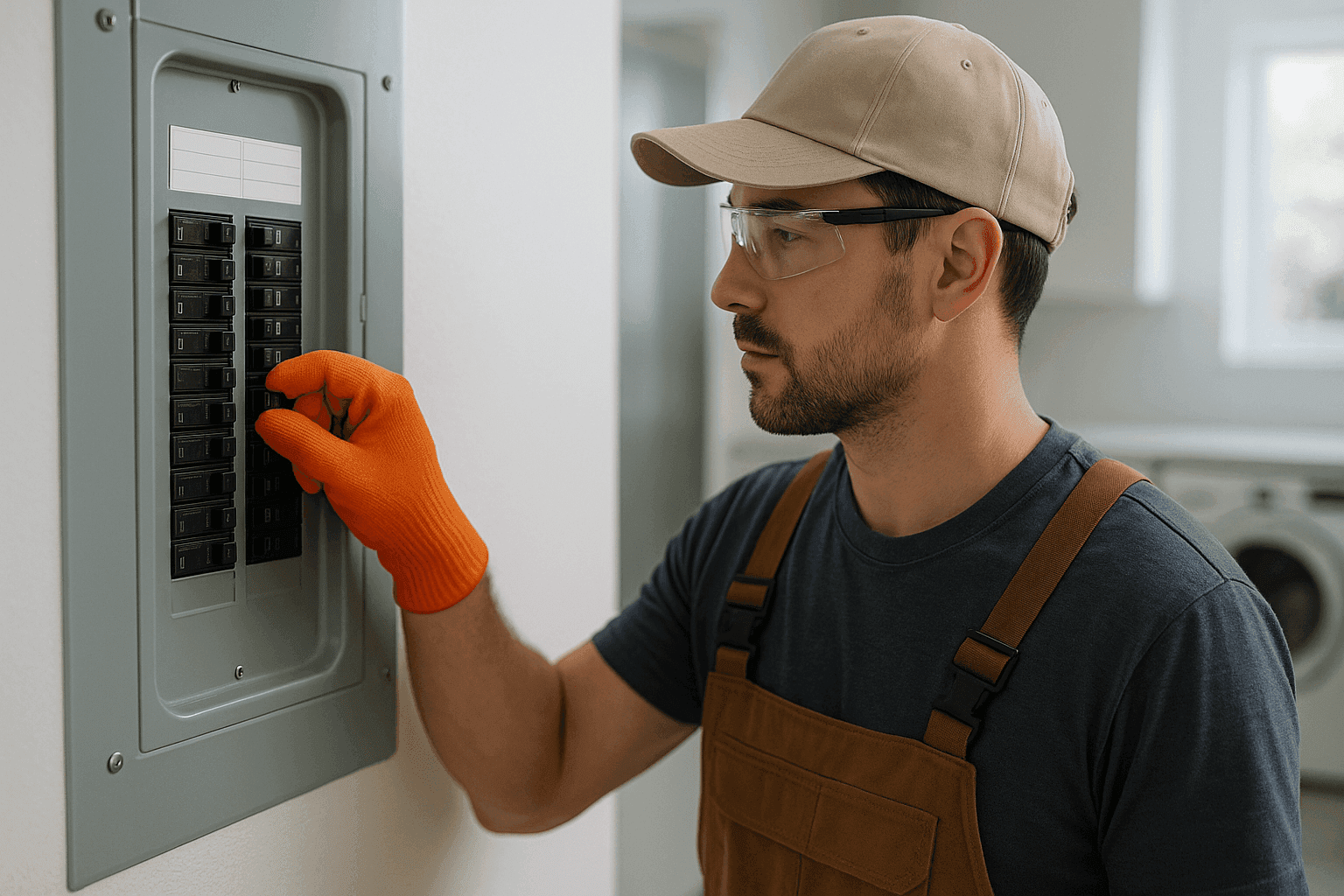
Are you staring at a flickering light, a dead outlet, or a tripped breaker? Small electrical issues can pop up in any home, sometimes at the worst moments. When it happens, it’s tempting to grab a screwdriver and fix it yourself. But electricity isn’t like fixing a leaky faucet—it demands respect.
At The CSRA Handyman, we’ve helped countless homeowners with all kinds of electrical hiccups. We know what’s safe to handle as a DIY project, and when it’s time to call for backup. Let’s walk through the basics—so you stay safe, avoid headaches, and keep your home running smoothly.
Common Minor Electrical Problems
Minor electrical issues are like squeaky doors—they’re annoying, but often fixable. Here are the most frequent ones:
- Faulty Outlets: Sometimes, an outlet just stops working. Maybe it’s loose, or maybe it’s not providing power at all.
- Tripped Circuit Breakers: Suddenly, half your room goes dark. You check the panel and see a breaker has tripped.
- Replacing Light Fixtures: Swapping out a dated ceiling light or a busted switch seems simple—until you’re staring at a tangle of wires.
- Loose Switches or Plates: Wobbly switches or loose covers might not look dangerous, but left unchecked, they can become safety hazards.
All these issues seem small—until they aren’t. If you’re careful, some of these can be fixed safely. But don’t let a “simple” fix turn into a bigger problem.
Quick Safety Checklist Before You Start ⚡
Electricity is invisible, silent, and fast. One wrong move can cause a shock—or worse. Before you touch anything:
- Turn Off Power: Always switch off the breaker before working on any outlet, switch, or fixture.
- Test for Power: Use a voltage tester or a plug-in lamp to double-check that power is truly off.
- Dry Hands, Dry Tools: Never work with wet hands, or in damp areas. Water and electricity are a dangerous mix.
- Use Insulated Tools: Only use tools with insulated handles designed for electrical work.
- Stay Grounded: Don’t stand on metal ladders. Use fiberglass or wood ladders instead.
- Know Your Limits: If you’re unsure, stop. It’s not worth the risk.
Always review your local codes. The National Electrical Code (NEC) sets the standard for safety, but your county or city may have extra requirements. When in doubt, ask your local building department.
DIY Fixes You Can Try (and When to Call a Handyman)
Some repairs are within reach for the typical homeowner. Here’s what you might tackle:
Swapping Out a Light Fixture
- Turn off the breaker.
- Remove the old fixture’s cover, then gently unscrew wire connectors.
- Match wires by color—black to black, white to white, green or bare to ground.
- Use new wire nuts and secure connections tightly.
- Mount the new fixture and restore power.
Resetting a Tripped Breaker
- Switch the breaker fully to “off,” then firmly back to “on.”
- If it trips again immediately, stop and call for help—a short circuit or overload may be present.
Replacing a Wall Plate or Tightening a Switch
- Turn off power.
- Use a screwdriver to tighten loose screws.
- Replace cracked or broken wall plates.
When to Pause and Call a Pro
- Wires look burned, melted, or scorched.
- You smell burning or see smoke.
- There’s water anywhere near the outlet or switch.
- You’re not sure which breaker controls the circuit.
- The repair involves aluminum wiring or older knob-and-tube wiring.
- You need to add or move outlets, switches, or circuits.
Sometimes, the most “handy” thing you can do is pick up the phone. Pressure Washing near you can wait; electrical risks can’t.
What a Handyman Does When They Arrive
When you call The CSRA Handyman for an electrical issue, here’s what to expect:
- Assessment: We listen to what you’ve experienced. Then, we inspect the outlet, switch, or breaker.
- Testing: Using voltage testers and circuit analyzers, we check for safe, live, or faulty wires.
- Repair or Replace: We only use code-compliant parts and methods—no shortcuts.
- Safety Check: Before leaving, we make sure everything is secure, grounded, and safe for your family.
A good handyman never cuts corners. We’re up to date on local codes and safety standards, so you don’t have to worry about hidden hazards.
Prevention & Maintenance
The best repair is the one you never need to make. Here’s how to keep minor electrical problems from turning major:
- Check GFCIs: Press “test” and “reset” buttons monthly in bathrooms, kitchens, and garages.
- Tighten Plates: Every few months, check for loose outlets or switches.
- Don’t Overload Circuits: Spread out large appliances and high-wattage devices.
- Replace Old Extension Cords: Frayed or damaged cords are a fire risk.
- Schedule Annual Inspections: A handyman can spot problems you might miss.
Following the NEC’s guidelines for household circuits keeps your home safer and your insurance valid.
Costs & Time Factors
Electrical repairs don’t need to empty your wallet—or your weekend. Here’s what to expect:
- Simple tasks (like replacing outlets or switches): Often less than an hour.
- Fixture installations: 1–2 hours, depending on complexity.
- Diagnosing tricky issues: May take longer, especially if walls need opening.
Material costs are usually low for minor fixes. Labor is the main expense. Hiring a handyman saves you time, stress, and the risk of an expensive mistake.
When It’s an Emergency
Some electrical problems can’t wait:
- Sparks, smoke, or burning smells: Shut off power at the main panel and call immediately.
- Repeated breaker trips: Especially if accompanied by heat or buzzing noises.
- Flooding or water leaks near electrical: Water and electricity are a life-threatening combination.
- Loss of power to major appliances: Fridges and freezers need prompt restoration.
If you’re ever unsure, err on the side of caution. Safety comes first.
FAQ
Can I replace a light switch myself?
Yes, if you turn off power and follow basic safety steps. If wires are old, brittle, or confusing, call a handyman.
Why do my outlets spark when I plug things in?
A tiny spark is normal. Large, loud, or frequent sparks signal trouble—stop using the outlet and call for help.
Is it safe to use extension cords for permanent power?
No. Extension cords are meant for temporary use only. Permanent wiring should be done to code.
Can I reset a GFCI outlet myself?
Yes—just press “reset.” If it won’t reset or keeps tripping, there’s likely a deeper problem.
Local & Seasonal Considerations 🏡
In the CSRA region, humidity and storms can wreak havoc on electrical systems. After heavy rain or lightning, check your GFCIs and outdoor outlets. Seasonal home maintenance should always include a visual check for frayed wires around decks, sheds, and garages.
If you’ve just moved into an older home, consider a maintenance walkthrough. Many houses in our area have legacy wiring that isn’t up to today’s standards.
Electrical repairs are nothing to play with. Whether you want to swap a light fixture or need emergency help, The CSRA Handyman is always ready to keep your home safe.
Call The CSRA Handyman now — or reach us anytime at 844-460-8402 .