Pressure Washing 101: How to Safely Clean Your Home’s Exterior
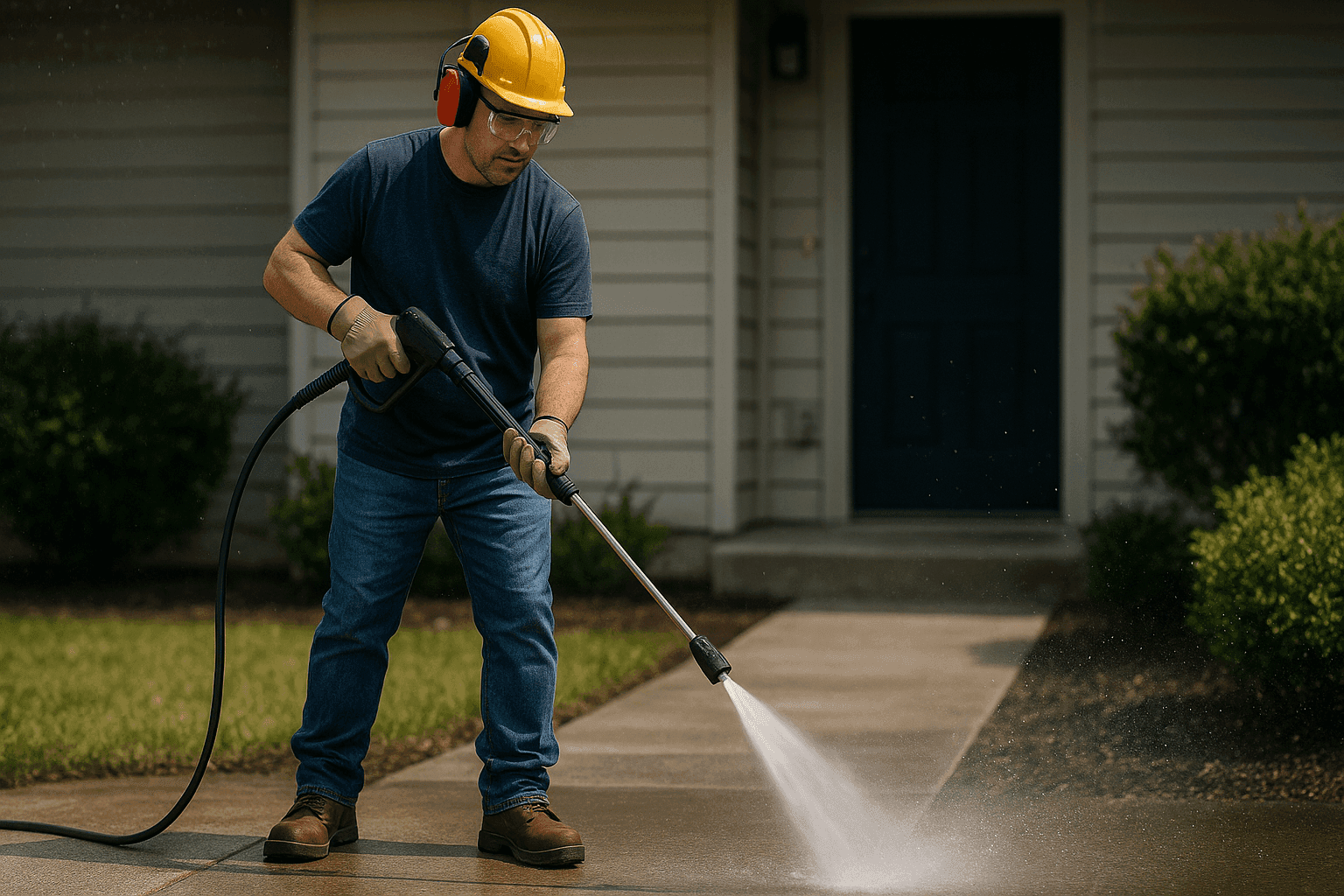
Keeping your home’s exterior clean isn’t just about pride. It’s about protection. Dirt, algae, and mildew can creep in slowly, robbing your house of its fresh look and even damaging surfaces over time. If you’ve ever run your finger along your siding and come away with a streak of grime, you know how quickly the “just washed” look can fade.
Pressure washing is one of the fastest ways to refresh your home’s curb appeal. But it’s not a job for the reckless or unprepared. A pressure washer, in the wrong hands, is less like a garden hose and more like a firehose—powerful enough to clean, but also to harm. At The CSRA Handyman, we help homeowners get the best results, safely.
The Grime Problem: Why Pressure Washing Matters
Picture your siding as the skin of your home. Over time, it collects dust, pollen, mold, and sometimes even that stubborn green algae. Decks turn slick and unsafe, driveways yellow under a haze of mud and oil. Rain can only do so much. Left unchecked, these build-ups can lead to rot, stains, or even pest infestations.
Pressure washing acts like a deep cleanse. It strips away layers of grime, revealing the original beauty underneath. It’s especially effective for:
- Siding: Vinyl, brick, fiber cement, and even painted wood (with care)
- Decks and Fences: Restores wood, removes slippery mildew
- Driveways and Walkways: Lifts oil stains, moss, and years of dirt
- Patios & Outdoor Furniture: Gets rid of cobwebs and bird droppings
Most homes benefit from annual or semi-annual pressure washing—ideally in spring or fall.
Quick Safety Checklist 🦺
Pressure washers aren’t toys. Even at their lowest setting, they can gouge wood, blast off paint, or send debris flying. Here’s how to stay safe:
- Wear eye protection (safety goggles are a must)
- Use closed-toe shoes with good traction
- Wear gloves to protect your hands from chemicals and spray
- Avoid loose clothing that could get caught in the equipment
- Read the manual (every model is a little different)
- Never point the nozzle at people or pets
- Keep electrical cords and outlets dry
- Use only approved cleaning solutions—never mix bleach with other chemicals
- Know your surroundings: check for fragile windows, vents, or exposed wiring
For more on safety, the Consumer Product Safety Commission (CPSC) offers guidance on power equipment use.
DIY vs. Call a Pro
You might be tempted to rent a pressure washer and tackle the grime yourself. For small jobs—like a short walkway or patio—DIY can be satisfying. But for multi-story homes, delicate siding, or big driveways, the risks multiply.
DIY Pros:
- Save money on labor
- Immediate scheduling
- Learn a new skill
DIY Cons:
- Risk of damaging siding or windows
- Water intrusion behind walls (which can lead to mold)
- Injury from high-pressure spray
- Possible code violations if wastewater enters storm drains
When to call a handyman:
- Multi-story or hard-to-reach areas
- Heavily stained, delicate, or historic surfaces
- Unsure about which cleaning agents or PSI to use
- No time or desire to wrestle with equipment
Searching for “Pressure Washing near you” will turn up options, but not all handymen are created equal. Look for one who’s insured, communicates clearly, and has solid references.
What Pros Do On Arrival
Professional handymen don’t just fire up the machine and blast away. Here’s what a careful pressure washing service looks like:
- Inspection: Pros walk the property, noting vulnerable spots—loose siding, cracked mortar, exposed wiring.
- Surface Prep: Cover outlets, protect plants, move furniture, and sweep away loose debris.
- Choose Correct Nozzle & PSI: Siding needs less force (1,200–1,500 PSI), concrete more (up to 3,000 PSI). The wrong setting can peel paint or etch brick.
- Soap Application: Apply eco-friendly detergent, let it soak, then rinse. Soap does the heavy lifting—the water just carries it away.
- Controlled Washing: Use sweeping motions, keeping the nozzle a safe distance (often 12–18 inches) from the surface.
- Final Check: Ensure no spots are missed, and that water hasn’t intruded where it shouldn’t.
Prevention & Maintenance
Pressure washing isn’t just about cleaning—it’s about maintenance. Keeping up with regular washes can:
- Prevent algae, mold, and mildew growth
- Extend the life of paint and siding
- Reduce allergens around your home
- Spot early signs of wear or damage
Tip: Consider combining pressure washing with other home maintenance tasks—like gutter cleaning or window repairs—for a full refresh.
Pro Tip: Always check local regulations. Some areas restrict what chemicals you can use, and where the runoff goes.
Costs & Time Factors
Pressure washing costs and timing depend on:
- Surface Area: The larger the area, the more time and cleaning solution required
- Surface Type: Delicate siding takes longer and requires lower pressure
- Condition: Heavy stains or moss may need pre-treatment
A small patio might take 30–60 minutes, while a full house exterior can run several hours. Professional services factor in setup, safety, and cleanup—DIYers often underestimate the time and hassle.
Materials—cleaners, nozzles, fuel—can add up if you’re renting equipment. For many, the convenience of hiring a handyman outweighs the savings.
When It’s an Emergency
Some situations can’t wait:
- Slippery algae on walkways: Trip hazard, especially for kids and seniors
- Graffiti or oil spills: Rapid response prevents stains from setting
- Flooding or water intrusion: Quick action can prevent mold
In these moments, a handyman who offers emergency repairs and pressure washing can be a lifesaver.
FAQ
Q: Can pressure washing damage my siding?
Yes, if the wrong pressure or nozzle is used. That’s why pros always test a small area first.
Q: What time of year is best for pressure washing?
Spring and fall are ideal—cool temps and less pollen. Avoid freezing weather, which can damage equipment and surfaces.
Q: Do I need to use soap?
For most jobs, yes. Soap loosens dirt so you can use lower pressure, reducing the risk of surface damage.
Q: Is pressure washing safe for all surfaces?
No. Old brick, crumbling mortar, or untreated wood can be harmed. Check manufacturer or builder recommendations—or ask your handyman.
For more, the American Cleaning Institute and the CDC have tips on safe home cleaning practices.
Local/Seasonal Considerations 🌦️
In the CSRA region, we see everything: heavy pollen in spring, humidity in summer, and falling leaves in autumn. These cycles mean your home’s exterior works overtime. Pressure washing before pollen season helps prevent sticky build-up. After storms, it removes mud and debris.
Always check the weather before scheduling. Washing just before a thunderstorm? You might be doing the job twice.
Final Thoughts
Pressure washing breathes new life into your home’s exterior. Done right, it’s a safe, efficient way to boost curb appeal and protect your biggest investment. Whether you take the DIY route or hire a skilled handyman, remember: preparation and safety come first.
Call The CSRA Handyman now — or reach us anytime at 844-460-8402 .