Prevent Costly Water Damage: Caulking, Sealing, and Bathroom Repairs Explained
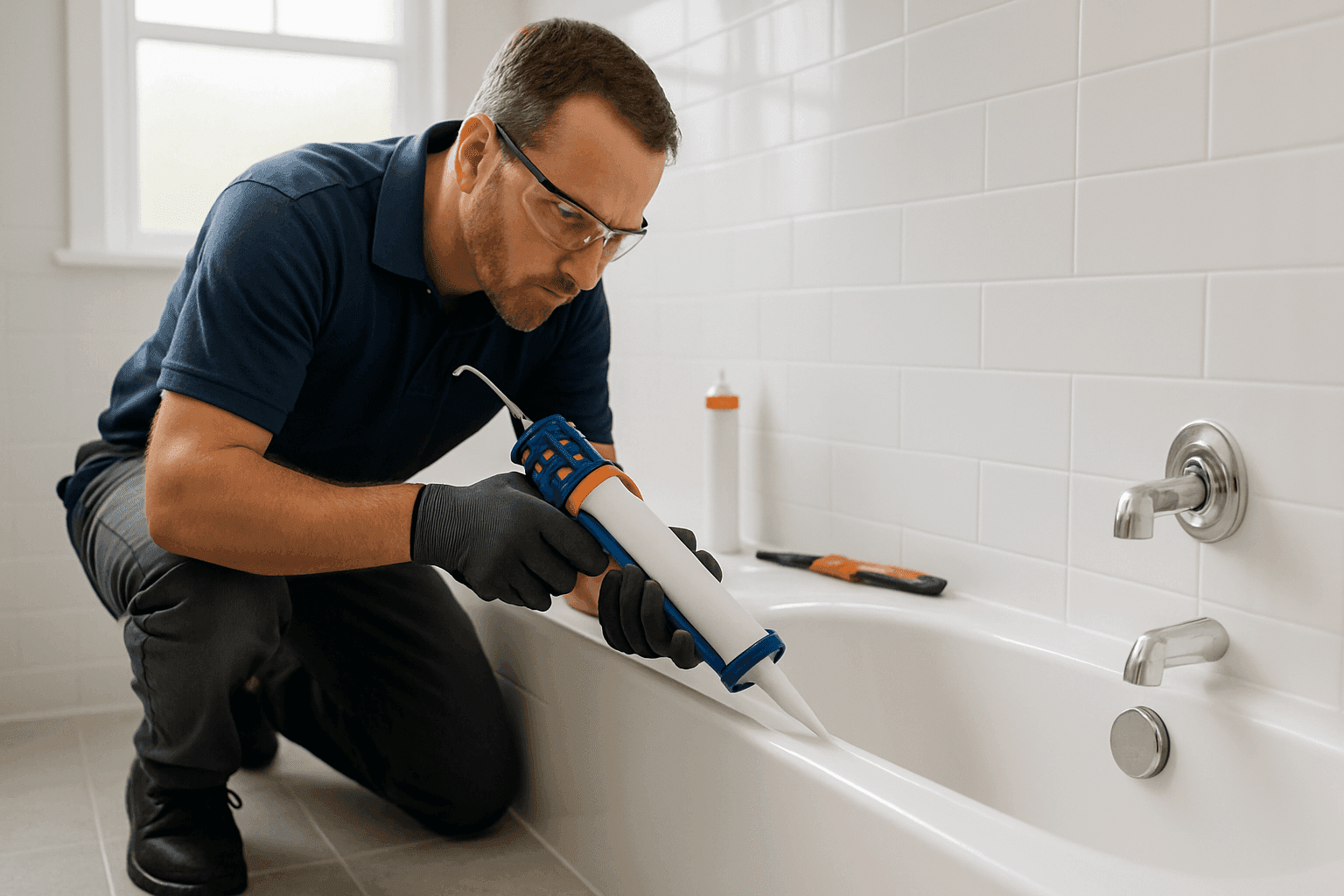
Is your bathroom trying to send you a message? Cracked caulk, peeling edges, and mysterious damp spots are your home’s way of waving a red flag. Don’t ignore it—water damage isn’t a slow leak, it’s a floodgate waiting to burst.
At The CSRA Handyman, we’ve seen how a small gap can lead to big headaches. We’re here to walk you through why caulking, sealing, and timely repairs matter more than you think. And more importantly—how to spot trouble before it costs you thousands.
The Hidden Danger: How Water Damage Sneaks In
Think of your bathroom as a fortress. Caulk and sealant are its moat, keeping water at bay. But over time, that moat cracks. Water creeps in. Behind walls, beneath tiles, under tubs—it’s a silent invader.
Neglect a shrinking bead of caulk, and you risk:
- Wood rot: Joists and subfloors can quietly decay.
- Mold and mildew: These unwanted guests thrive in moist darkness.
- Structural issues: Water eats away at drywall, framing, and even your home’s foundation.
- Costly insurance claims: What starts as a drip can become a disaster.
According to the Insurance Information Institute, water damage is one of the most common (and expensive) home insurance claims in the U.S.
Quick Safety Checklist 🛠️
Before you start poking around, keep these basics in mind:
- Always turn off water at the source if working near pipes.
- Use gloves and a mask when removing old caulk or moldy material.
- Open windows or run a fan to keep the area ventilated.
- Have a flashlight handy for those dark under-sink spaces.
- If you spot black mold, consult EPA safety recommendations and consider calling a professional.
Signs Your Caulk or Sealant Is Failing
Not sure what to look for? Here are clear red flags:
- Cracking or splitting: Lines appear where caulk once looked smooth.
- Peeling or lifting: The edges pull away from tubs, sinks, or tiles.
- Discoloration: Yellow, brown, or black stains on caulk signal moisture or mold.
- Soft, spongy walls: Press gently—if it gives, water has likely seeped in.
- Musty smell: Mildew has a very particular "old basement" odor.
Catch these early. Otherwise, you might invite a much bigger job.
Step-by-Step: How to Replace Caulk and Seal Up Leaks
It isn’t rocket science, but proper technique matters. Here’s how:
-
Remove Old Caulk:
Use a plastic scraper or utility knife. Work slowly to avoid scratching surfaces. Clean residue with rubbing alcohol. -
Prep the Area:
Dry thoroughly. Mold? Apply a mix of one part bleach to ten parts water (wear gloves and mask). -
Apply Painter’s Tape:
Line the area for a neat edge. -
Cut the Caulk Tube Tip:
Cut at a 45-degree angle. Start with a small opening; you can always make it bigger. -
Apply New Caulk:
Use steady pressure. Move slowly—imagine icing a cupcake. -
Smooth the Bead:
Wet your finger or use a caulking tool. Wipe away excess. -
Remove Tape, Let Dry:
Carefully peel tape before caulk skins over. Let dry per manufacturer’s directions (usually 24 hours).
Pro tip: Use bathroom-grade silicone caulk for tubs and showers. It resists mildew and lasts longer than acrylic.
Mold and Mildew: Stop the Spread Before It Starts
Mold isn’t just an eyesore—it’s a health hazard. The CDC warns that mold exposure can aggravate allergies, asthma, and even cause respiratory infections.
To prevent it:
- Wipe down wet surfaces after showers.
- Run the bathroom fan or open a window for 15–30 minutes after use.
- Inspect grout and caulk lines monthly for cracks or stains.
- Clean with a vinegar solution (never mix with bleach).
If you see fuzzy patches or persistent stains, it’s time to act.
DIY or Call a Handyman? The Right Choice for the Job
Some jobs are perfect for a Saturday afternoon. Others? Not so much. Here’s how to decide:
DIY is fine when:
- Caulk lines are short and easily reached.
- No visible signs of water damage beneath the surface.
- You have the right tools (and some patience).
Call a handyman when:
- There’s persistent mold or mildew you can’t remove.
- Water damage has softened floors or walls.
- Caulk needs replacing in tricky, hard-to-reach spots.
- You aren’t sure where the leak is coming from.
A professional knows where to look for hidden danger—and how to fix it before it spreads.
What to Expect When a Handyman Arrives
Wondering what happens next? Here’s a quick rundown:
- Inspection: We check all caulked joints, tiles, and fixtures for signs of leaks, rot, or mold.
- Removal: Old caulk and any affected materials are safely removed.
- Drying: Surfaces must be completely dry before repair.
- Repair: Damage is addressed—whether that means patching drywall, replacing tiles, or fixing plumbing.
- Sealing: High-quality, bathroom-grade sealants are applied for a lasting finish.
- Cleanup: No mess left behind.
Every step follows local building codes and EPA guidelines for mold remediation.
Prevention and Maintenance: Your Best Defense 🏠
Think of regular inspection like brushing your teeth. Small effort, big payoff.
- Check caulking every 3–6 months. Look for cracks, gaps, or discoloration.
- Clean bathrooms with mold-inhibiting products.
- Run exhaust fans after every shower.
- Address leaks immediately—even small drips add up fast.
- Schedule seasonal maintenance for peace of mind.
Pressure Washing near you can also help keep exterior areas mold-free and reduce slip hazards.
Costs & Time Factors: What to Expect
Bathroom caulking and sealing jobs tend to be affordable—much cheaper than repairing rot, replacing drywall, or rebuilding a shower.
- DIY projects: Supplies usually cost under $25, and most projects take 1–2 hours.
- Handyman services: Price depends on scope—multiple areas, mold remediation, or hidden water damage will add to the cost.
- Water damage repairs: Once rot or mold sets in, costs can multiply fast.
A little prevention today saves a lot tomorrow.
When It’s an Emergency 🚨
Don’t wait if you notice:
- Water pooling on the floor for unknown reasons.
- Soft or sagging walls or ceilings.
- A sudden musty smell after heavy rain or showering.
- Mold spreading rapidly.
Shut off water and call a handyman immediately. Fast action can make the difference between a quick fix and a major renovation.
FAQ: Your Water Damage and Bathroom Repair Questions
How often should I recaulk my bathroom?
Every 2–5 years is typical, but inspect every six months for early signs of wear.
Is all mold dangerous?
While not all mold is toxic, all mold can cause health issues. Treat any mold in living spaces seriously.
Can I use painter’s caulk in the bathroom?
No. Only use bathroom or kitchen-grade silicone or latex caulk—these are waterproof and mildew-resistant.
What if I have water damage behind tiles?
This usually requires tile removal and possible subfloor repair. Call a handyman for a thorough inspection.
Local and Seasonal Considerations
In the Southeast, humidity is relentless. Bathrooms can stay damp for hours, making mold and rot more likely. During heavy rain or hurricane season, check window and door seals—weatherstripping installation helps here, too.
Winter brings its own problems. Cold, dry air can cause caulk to shrink or crack. That’s why regular inspection year-round is key.
A little vigilance goes a long way. Don’t let water damage take over your home—or your wallet. Stay ahead with regular maintenance, sharp eyes, and timely repairs.
Call The CSRA Handyman now — or reach us anytime at 844-460-8402 .