Preventing Winter Damage: Essential Seasonal Maintenance for Homeowners
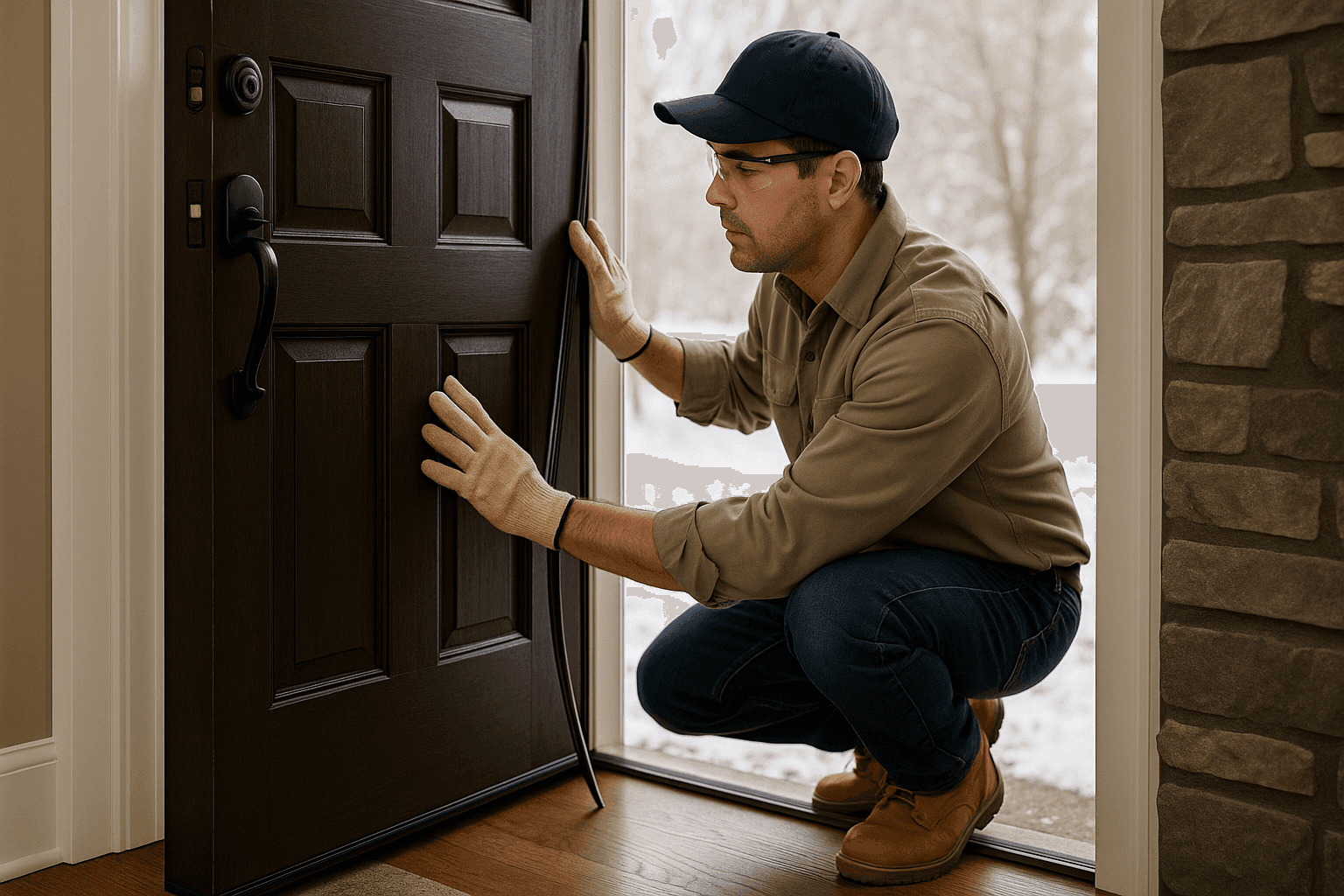
As the nights grow longer and the air takes on a biting chill, your home faces new challenges. Winter has a way of creeping in—through tiny cracks, under doors, and around windows—bringing cold drafts, leaks, and the risk of costly repairs.
If you’ve ever dealt with a burst pipe or a frosty draft, you know how quickly a small oversight can turn into a headache. At The CSRA Handyman, we’ve seen it all—and we’re here to help you stay ahead of winter’s curve.
Why Winter Maintenance Can’t Wait
Think of your house like a warm coat. If there’s a small tear or a missing button, the cold sneaks in. That’s exactly how gaps, old caulking, or clogged gutters work against you. Winter’s freeze-thaw cycles, harsh winds, and heavy rains can magnify these issues.
Risks of Skipping Winter Prep:
- Burst pipes from freezing water (it expands as it freezes, splitting pipes like wood under an axe)
- Water leaks and stains from ice dams or clogged gutters
- Drafts that send your heating costs through the roof
- Mold and mildew from hidden moisture
- Doors and windows that stick or refuse to close
Skipping a few simple steps now could mean big repairs (and bigger bills) later.
Quick Safety Checklist for Winterizing Your Home 🛠️
Ready to get started? Here’s a quick, skimmable checklist to help you cover the basics:
- Weatherstripping: Check and replace around doors and windows to block out drafts.
- Caulking: Inspect old, cracked caulk around windows, tubs, and exterior joints. Reapply as needed.
- Gutter Cleaning: Remove leaves and debris to prevent ice dams and water overflow.
- Pipe Insulation: Wrap exposed pipes in unheated areas (garages, crawlspaces, exterior walls).
- Heating System Check: Test your thermostat and schedule a furnace filter replacement.
- Smoke & CO Detectors: Test batteries and function—most house fires happen in winter.
- Dryer Vent: Clear lint to avoid a fire hazard.
- Outdoor Faucets: Shut off and drain exterior spigots to prevent freeze damage.
A quick walk-through now can stop a winter nightmare later.
DIY vs. When to Call a Handyman
Some winter prep jobs are as simple as changing a lightbulb. Others—like crawling under your house or fixing hard-to-reach gutters—aren’t everyone’s cup of cocoa.
Go DIY When:
- Replacing weatherstripping on easily accessed windows and doors
- Applying fresh caulk in bathrooms or around windows
- Swapping out furnace filters
- Testing detectors
Call a Handyman When:
- Gutters are high, clogged, or damaged
- Pipes need insulation in crawlspaces or behind walls
- Windows or doors need repairs beyond simple adjustments
- Electrical or plumbing repairs are required
- Exterior work feels risky or is out of reach
A good handyman brings not just tools, but experience—and a second set of eyes to spot what you might miss.
What to Expect When the Pros Arrive
Wondering what happens when you hire a handyman for winter prep? Here’s how The CSRA Handyman approaches the job:
- Thorough Inspection: We check doors, windows, pipes, gutters, and all the usual trouble spots. No squeaky hinge or hidden gap goes unnoticed.
- Prioritization: We’ll point out what needs urgent attention and what can wait. Some repairs make a huge difference in energy savings.
- Expert Repairs: From caulking and sealing to pressure washing near you, we handle the dirty work so you don’t have to.
- Safety First: We follow local building codes and safety guidelines from sources like the International Residential Code (IRC) and National Fire Protection Association (NFPA).
- Finishing Touches: We tidy up, share tips for ongoing care, and make sure everything’s ready for the cold.
Our goal is simple: keep your home cozy, safe, and energy-efficient.
Prevention & Maintenance: Your Winterization Playbook
The best way to fight winter damage is with a little prevention. Here’s how you can stay ahead—season after season:
1. Seal Up the Leaks
Even a tiny gap can let in enough cold air to chill a room. Inspect and repair seals around:
- Exterior doors
- Window frames
- Attic hatches
- Baseboards and wall penetrations (think: cable lines, vents)
Use quality weatherstripping and long-lasting caulk—products recommended by the U.S. Department of Energy.
2. Insulate Pipes
Water expands when it freezes. Pipes in attics, basements, and exterior walls can burst if not properly insulated. Use foam sleeves or wrap with heat tape (UL-listed). The American Red Cross recommends keeping your thermostat at least 55°F, even if you’re away.
3. Clean Gutters and Downspouts
Leaves and debris can trap water. When it freezes, you get ice dams—those nasty ridges that force water under your shingles. Clean gutters help water flow away from your house, protecting your roof and foundation.
4. Test Your Heating
A chilly night is the wrong time to find out your furnace won’t start. Test early, replace filters, and if your system is older, consider a tune-up from a licensed HVAC pro. According to ENERGY STAR, regular maintenance can cut your heating costs by up to 20%.
5. Check Attic Ventilation
A well-ventilated attic prevents moisture buildup and helps stop ice dams. Look for blocked vents or signs of mold. If you’re not sure, a handyman can take a look.
6. Protect Outdoor Fixtures
Drain hoses, cover spigots, and store anything that could crack or rust in the cold. Move outdoor furniture and grills inside if possible.
Costs & Time Factors: What to Expect
Homeowners often ask: “How much time and money will this take?” The answer depends on your house and how much you tackle yourself.
Typical Time Commitment:
- Basic DIY: 2–4 hours for weatherstripping, caulking, and filter changes.
- Professional Handyman Visit: 1–2 days for a full winterization sweep (including hard-to-reach repairs).
Typical Costs (ranges, not quotes):
- Materials like weatherstripping, caulk, and insulation: modest and available at any hardware store.
- Professional handyman rates vary based on scope, but often save money long-term by preventing big repairs.
Think of it as an investment. A weekend’s work or a handyman visit can save you from thousands in water damage or a blown-out furnace.
When It’s an Emergency
Some issues can’t wait until morning. If you notice:
- Water leaking from ceilings or walls
- No heat in freezing temperatures
- Burst pipes or flooding
- Smoke detector or carbon monoxide alarms going off
Call for help right away. Quick action can limit the damage—and keep your family safe. The CSRA Handyman is ready to assist with urgent repairs when the unexpected strikes.
FAQ: Winter Home Maintenance
How often should I check my weatherstripping and caulk?
At least once a year—ideally in late fall before temperatures drop.
Can I insulate pipes myself?
Yes, if they’re easy to access. For pipes in crawlspaces or walls, it’s safer to call a handyman.
Is gutter cleaning really necessary every year?
Absolutely. Clogged gutters are a leading cause of winter leaks and ice dams.
Do I need to shut off my outdoor faucets?
Yes. Drain and shut them off to prevent pipes from freezing and bursting.
Local & Seasonal Factors
Not all winters are created equal. In areas with heavy rain, ice, or snow, it’s vital to check your home’s defenses early. If your house is older, or you’ve had issues in past winters, consider a professional inspection.
Remember: a little preparation while the leaves are still falling can make all the difference when the cold winds start to howl.
Protect your home this winter with timely, thorough maintenance. Call The CSRA Handyman now — or reach us anytime at 844-460-8402 .