When to Call for Emergency Handyman Repairs: Signs and Solutions
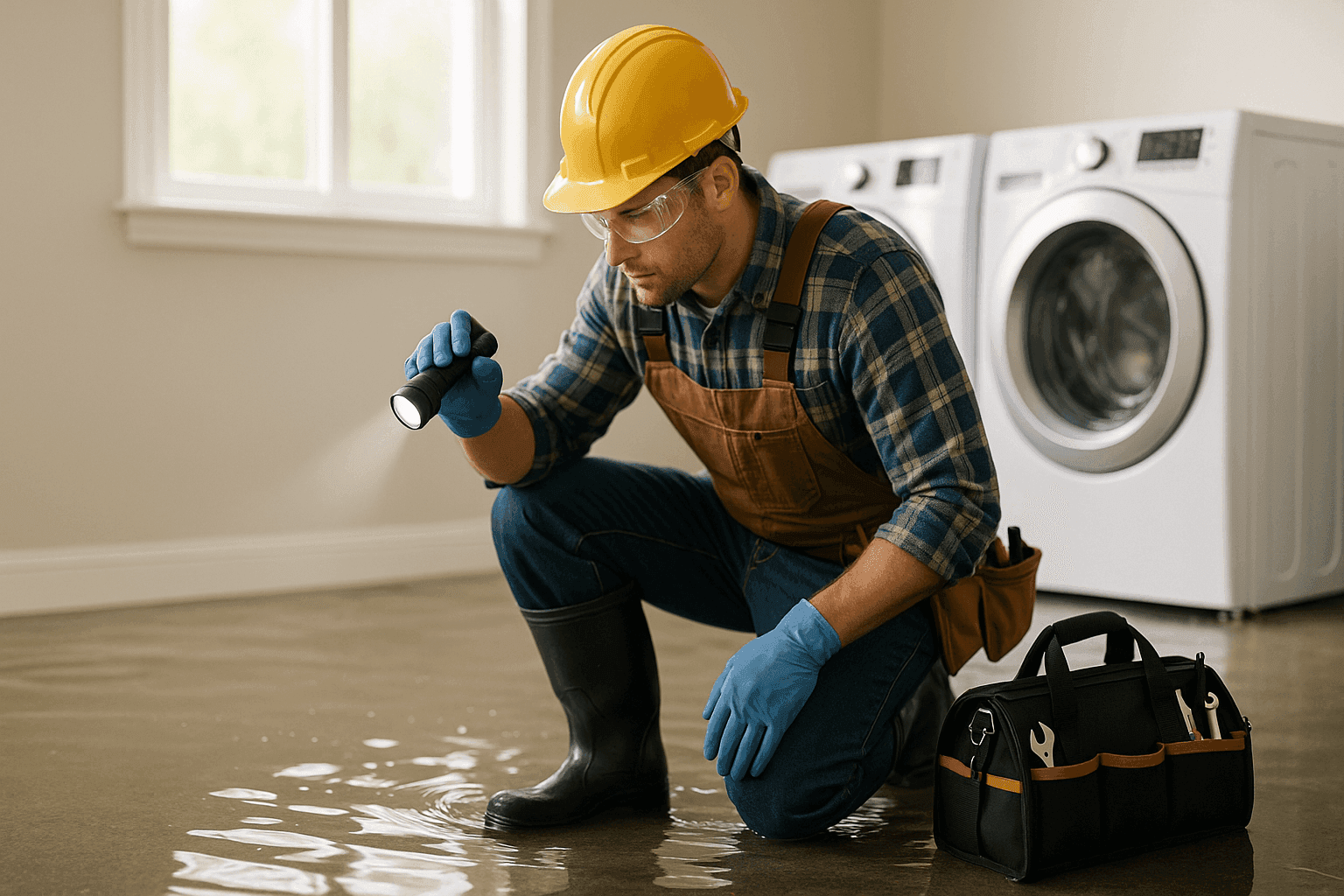
When disaster strikes at home, every second feels heavier. A sudden leak, strange electrical smell, or the sound of water rushing somewhere it shouldn’t—these moments rattle anyone. It’s easy to feel powerless. But knowing when to call a handyman, and what to do first, can make all the difference.
At The CSRA Handyman, we’ve helped families through countless “uh-oh” moments. This guide will help you spot warning signs, act quickly, and know exactly when to reach out for professional help.
Signs You Need Emergency Handyman Repairs
Some problems can wait. Others can’t. Here’s how to tell the difference.
Burst Pipes and Severe Leaks
Imagine your home as a ship—if a pipe bursts, it’s like a hole in the hull. Water can flood floors, ruin drywall, and warp wood in minutes.
Warning signs:
- Sudden drop in water pressure
- Wet spots on walls, ceilings, or floors
- Sounds of rushing or dripping water behind surfaces
- Unexplained puddles or pooling
Electrical Hazards
Electricity is like the lifeblood of your home—essential, but dangerous if it escapes its path.
Warning signs:
- Burning or fishy odors near outlets or switches
- Flickering lights, even after changing bulbs
- Sparking, buzzing, or warm outlets
- Breakers that trip repeatedly
Storm, Flood, or Wind Damage
Mother Nature can be relentless. After heavy rain or high winds, homes may suffer immediate or hidden damage.
Warning signs:
- Water entering through doors, windows, or roof
- Downed tree limbs on your house or fence
- Missing shingles, siding, or gutters
- Flooded crawl spaces or basements
Gas Leaks or Strange Odors
A rotten egg smell inside? That’s a serious warning sign, often indicating a gas leak.
Warning signs:
- Strong sulfur or rotten egg smell
- Hissing sounds near gas lines or appliances
- Headaches, dizziness, or nausea near gas appliances
Quick Safety Checklist 🛑
Before anything else, make sure you and your family are safe. Here’s what to do:
- Shut off water at the main valve if you suspect a leak or burst pipe.
- Turn off electricity to the affected area at the breaker box if you suspect electrical trouble.
- Open windows and evacuate if you smell gas—call your gas company from outside.
- Avoid standing water near electrical outlets or cords.
- Move valuables and electronics away from water-damaged areas.
- Don’t use damaged appliances or outlets until checked by a professional.
If you’re ever unsure, leave and call for help. No repair is worth risking your safety.
DIY or Call a Pro? Deciding What’s Safe
Some emergencies are like a flat tire—you might fix it yourself if you’re comfortable. Others are like engine trouble on a busy highway—best left to a professional.
When You Can Act
- Small leaks: Tighten visible connections or place buckets to catch drips.
- Minor storm damage: Tarp a small roof hole if it’s safe to access.
- Clogged drains: Try a plunger or drain snake—never use harsh chemicals.
When to Call a Handyman
- Major water leaks or flooding: Risk of mold, structural damage, or electrical hazards.
- Electrical problems: Never attempt repairs unless you’re licensed and the power is off.
- Gas leaks: Leave the home immediately and call emergency services.
- Structural damage: Sagging ceilings, broken windows, leaning fences.
Remember: It’s better to make the call and find out it wasn’t urgent than to wait and face bigger problems.
What to Tell Your Handyman for Faster Service
Time matters during emergencies. When you call, have this info ready:
- Describe the issue: “Water is pouring from the ceiling near the kitchen light.”
- When it started: “It began about 20 minutes ago after I heard a loud bang.”
- What you’ve done: “I turned off the main water valve.”
- Access instructions: “The basement door is unlocked. Parking is on the left.”
The more details, the quicker your handyman can arrive prepared—with the right tools and parts.
What Pros Do On Arrival
When The CSRA Handyman shows up, our approach is methodical—think of it like a firefighter triaging a blaze.
- Assess the scene: Safety first. We check for live wires, standing water, or gas.
- Stop further damage: Shut off systems, patch leaks, tarp roofs, or isolate circuits.
- Diagnose the problem: Identify the root cause—not just the symptom.
- Plan repairs: Prioritize urgent fixes, then outline next steps for full restoration.
- Communicate clearly: We’ll explain what’s happening and what comes next.
Our goal is to stabilize your home, restore safety, and leave you with a clear plan.
Prevention & Maintenance: Keeping Emergencies at Bay 🛠️
An ounce of prevention is worth a gallon of water saved.
- Inspect plumbing annually for corrosion, leaks, and loose fittings.
- Test GFCI outlets monthly to prevent electrical shocks (see U.S. Consumer Product Safety Commission).
- Clean gutters every fall and spring to avoid water backups.
- Check weatherstripping and caulking before storm season.
- Secure loose shingles, siding, and fences before high winds.
Routine handyman services—like Pressure Washing near you, gutter cleaning, or weatherproofing—can catch small problems before they turn into big emergencies.
Costs & Time Factors: What to Expect
Emergencies never happen at a “good” time. But knowing what to expect can help you stay calm.
- Response time: Most handymen aim to arrive within a few hours for true emergencies.
- Costs: Emergency repairs may cost more than scheduled visits due to urgency and after-hours work.
- Duration: Quick fixes may take 30–90 minutes; major repairs might need follow-up visits.
Factors like the severity of damage, parts availability, and weather can affect timing. We’re always transparent about our process so you’re never left guessing.
When It’s an Emergency (And When It’s Not) 🚨
It’s not always obvious. Here’s a quick guide:
It’s an Emergency If:
- Water is actively flooding floors
- There’s fire, smoke, or electrical burning smells
- You see sparks, hear popping, or outlets are hot
- Gas is leaking (rotten egg odor)
- Broken windows or doors leave your home exposed
It Can Wait If:
- A faucet drips but isn’t flooding
- Outlets aren’t working but don’t smell or spark
- Minor storm debris, no structural damage
If you’re unsure, err on the side of caution and call. Your peace of mind matters.
FAQ: Emergency Handyman Repairs
Q: What should I do while waiting for help to arrive?
A: Stay safe. Turn off water, power, or gas if you can do so safely. Keep children and pets away from the area.
Q: Can a handyman fix every emergency?
A: Handymen handle most home repairs—plumbing, electrical, leaks, doors, windows, and more. Life-threatening situations (gas leaks, electrical fires) require emergency services first.
Q: Will homeowner’s insurance cover emergency repairs?
A: Many policies cover sudden damage (like burst pipes), but not gradual wear. Document everything and contact your insurer after repairs for guidance.
Q: Do I need to be home for emergency repairs?
A: If possible, yes—especially to describe the issue and grant access. If you can’t, provide clear instructions for entry.
Local & Seasonal Considerations for Emergencies 🌦️
Certain emergencies spike with the seasons:
- Winter: Frozen and burst pipes, heating failures.
- Spring: Flooding, clogged gutters, storm damage.
- Summer: Power surges, broken fans or AC units.
- Fall: Leaky roofs, drafty windows, pest entry points.
In the CSRA region, sudden thunderstorms and high humidity can push home systems to their limits. That’s why routine maintenance—like Pressure Washing near you or weatherstripping installation—can keep your home ready year-round.
Final Thoughts: Stay Prepared, Stay Calm
Emergencies test our nerves and our homes. But with quick thinking, clear steps, and help from a skilled handyman, you can weather the storm—literally and figuratively.
Save our number somewhere easy to find. Keep this guide handy. And remember: You’re never alone when the unexpected hits.
Call The CSRA Handyman now — or reach us anytime at 844-460-8402 .